







What's Happening?
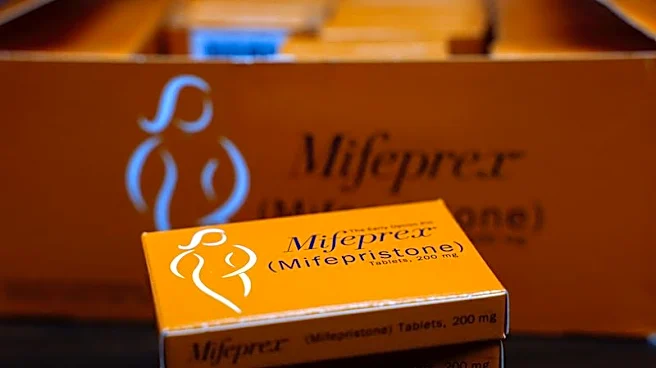
The Supreme Court has issued a decision allowing the abortion pill mifepristone to continue being distributed through the mail, maintaining the status quo for now. This decision comes amid ongoing legal battles over the accessibility of abortion medications,
which have been a focal point in the broader debate over reproductive rights in the United States. The ruling ensures that, at least temporarily, individuals seeking medical abortions can receive mifepristone without needing to visit a healthcare facility in person, a practice that has been particularly significant during the COVID-19 pandemic.
Why It's Important?
This decision is significant as it preserves access to abortion services for many individuals, particularly those in areas with limited access to healthcare facilities. The ability to receive mifepristone by mail can reduce barriers for those seeking abortions, including logistical challenges and potential stigma associated with visiting clinics. The ruling also highlights the ongoing legal and political battles over reproductive rights in the U.S., with potential implications for future cases that could further define the scope of access to abortion services.
What's Next?
The legal status of mifepristone and its distribution methods will likely continue to be contested in courts, with potential appeals and further rulings that could alter its accessibility. Advocacy groups on both sides of the abortion debate are expected to intensify their efforts, either to protect or restrict access to abortion medications. The outcome of these legal battles could have significant implications for reproductive rights and healthcare policy in the U.S., influencing legislative actions at both state and federal levels.