



What's Happening?
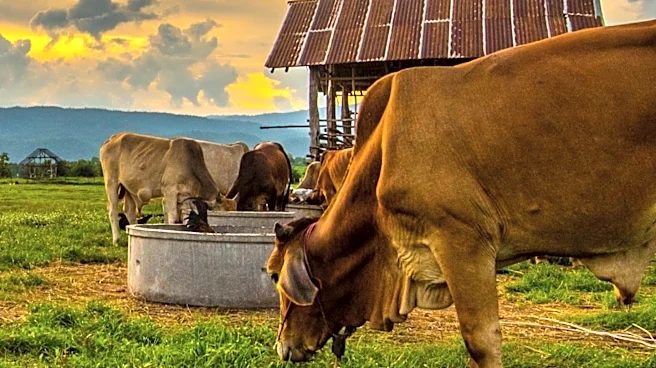
Namibia has announced a new outbreak of foot-and-mouth disease (FMD) in its Zambezi Region, marking the second affected area after an earlier outbreak in the southern ||Karas Region. Veterinary officials identified the disease on October 5 at Kalala Island
in Kabe Constituency, where 20 cattle displayed clinical signs. Twelve samples from these animals tested positive for the FMD virus on October 7. In response, the Ministry of Agriculture, Fisheries, Water and Land Reform has initiated emergency vaccination in the affected zone and intensified surveillance efforts. Furthermore, the movement and export of all cloven-hoofed animals and their raw products have been suspended throughout the Zambezi Region. Livestock marketing activities, including auctions and other gatherings, have been halted, and slaughtering at local abattoirs and informal markets is temporarily suspended to contain the spread of this highly contagious viral infection. The World Organisation for Animal Health (WOAH) was notified, and Namibia's FMD-free status for the affected zone has been suspended.
Why It's Important?
The FMD outbreak in Namibia carries significant economic implications, particularly for the country's livestock industry and international trade. Foot-and-mouth disease is known for causing substantial economic losses due to reduced livestock productivity and restrictions on both domestic and international trade. The European Union has already temporarily suspended imports of fresh beef, sheep, goat meat, and certain processed meat products from Namibia, directly impacting the country's agricultural exports and revenue. The suspension of Namibia's FMD-free status by WOAH further exacerbates these trade challenges, potentially leading to a prolonged period of restricted market access. Domestically, the halt in livestock movement, marketing, and slaughtering disrupts local supply chains, affecting farmers' livelihoods and potentially leading to higher meat prices for consumers. The need for emergency vaccinations and intensified surveillance also places a financial burden on the Namibian government and agricultural sector, diverting resources that could be used for other developmental initiatives.
What's Next?
Namibian authorities will continue emergency vaccination efforts and intensified surveillance in the Zambezi Region to determine the full extent of the FMD outbreak and prevent further spread. The restrictions on the movement and export of cloven-hoofed animals and their products are expected to remain in place until the disease is brought under control and the risk of transmission is significantly reduced. The Ministry of Agriculture, Fisheries, Water and Land Reform will likely work closely with WOAH and other international bodies to manage the outbreak and eventually regain the FMD-free status for the affected zone. This process will involve rigorous testing, monitoring, and implementation of biosecurity measures. The European Union's temporary import suspension will also be reviewed based on the progress made in containing the disease. Farmers and livestock traders in Namibia will need to adapt to these ongoing restrictions, potentially exploring alternative markets or focusing on domestic consumption until international trade resumes.
Beyond the Headlines
The FMD outbreak highlights the broader vulnerability of agricultural economies to transboundary animal diseases and the critical role of international organizations like WOAH in disease management and trade regulation. Beyond immediate economic losses, such outbreaks can erode consumer confidence in a country's agricultural products, potentially leading to long-term market access challenges even after the disease is contained. The incident also underscores the importance of robust veterinary services, early detection systems, and effective biosecurity protocols in preventing and responding to animal health crises. For Namibia, a country where livestock farming is a significant economic activity, the FMD outbreak could prompt a re-evaluation of its animal health infrastructure and trade diversification strategies. The interconnectedness of global trade means that animal disease outbreaks in one region can have ripple effects on international markets and food security, emphasizing the need for global cooperation in animal health surveillance and control.