




What's Happening?
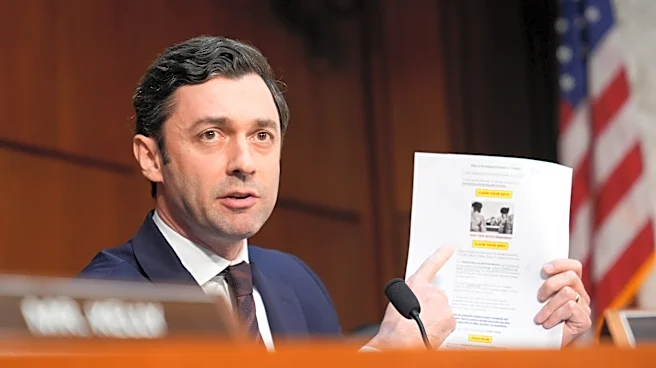
Arizona Senator Mark Kelly has introduced the bipartisan Senior Chatbot Protection Act, aiming to establish fundamental safeguards for AI chatbot and voice assistant technologies. This legislation seeks to protect older Americans by mandating that companies
provide clear disclosures about AI interactions, secure sensitive conversations, and eliminate deceptive design practices within their products. The bill builds upon Kelly's previous efforts, including the Aging with AI Act, which focused on understanding the use, risks, and benefits of AI companions for older adults. The Senior Chatbot Protection Act has garnered significant support from a diverse coalition of organizations, including those representing older Americans, medical and mental health professionals, consumer safety advocates, families, and technology policy experts. Supporters emphasize the need for transparency, accountability, and privacy as AI becomes more integrated into daily life, particularly for vulnerable populations.
Why It's Important?
The introduction of the Senior Chatbot Protection Act is important because it addresses the growing concerns surrounding the ethical deployment and potential misuse of artificial intelligence, especially as these technologies become more prevalent in the lives of seniors. As AI chatbots and voice assistants offer convenience and support, they also present risks such as misinformation, privacy breaches, and manipulative practices. This legislation aims to create a safer digital environment for older Americans, who may be more susceptible to deceptive AI tactics. By requiring clear disclosures and safeguarding sensitive information, the bill seeks to prevent financial exploitation, health misinformation, and emotional manipulation. The bipartisan support for this act underscores a broad recognition of the need for regulatory frameworks to ensure that AI development prioritizes user protection and ethical considerations, rather than solely focusing on innovation. This could set a precedent for future AI regulations across various sectors.
What's Next?
The Senior Chatbot Protection Act will proceed through the legislative process, requiring further debate, potential amendments, and votes in both the Senate and the House of Representatives. Given its bipartisan support and the backing of numerous advocacy groups, the bill has a strong chance of advancing. Stakeholders, including technology companies, consumer protection organizations, and senior advocacy groups, will likely continue to engage with lawmakers to shape the final version of the legislation. If passed, companies developing AI chatbots and voice assistants will need to adapt their products and practices to comply with the new regulations, which could involve significant changes to their design, disclosure policies, and data handling protocols. The implementation of these protections could lead to increased trust in AI technologies among older adults and potentially influence the development of similar legislation in other states or at the federal level for different demographic groups.
Beyond the Headlines
Beyond its immediate impact on senior protection, the Senior Chatbot Protection Act highlights a broader societal challenge: how to integrate rapidly advancing AI technologies responsibly and ethically. This legislation touches upon the evolving relationship between humans and AI, particularly concerning issues of trust, autonomy, and vulnerability. It raises questions about the extent to which AI should mimic human interaction and the ethical boundaries of AI design, especially when dealing with sensitive topics like health and finances. The bill's focus on preventing AI from making false claims of professional credentials or exploiting crises underscores the need for clear distinctions between human judgment and algorithmic responses. This legislative effort could contribute to a larger national conversation about digital literacy, consumer rights in the age of AI, and the role of government in regulating emerging technologies to protect its citizens from potential harm, fostering a more human-centric approach to technological innovation.