



What's Happening?
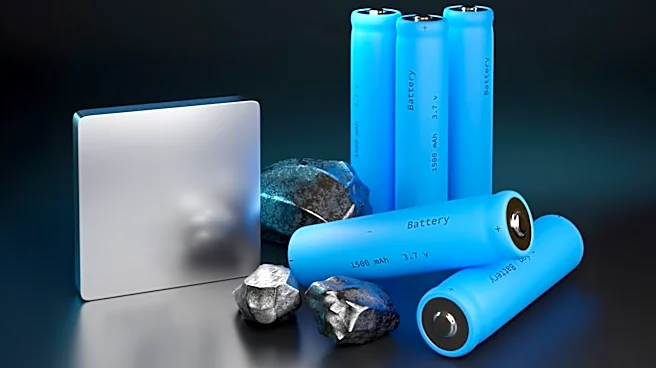
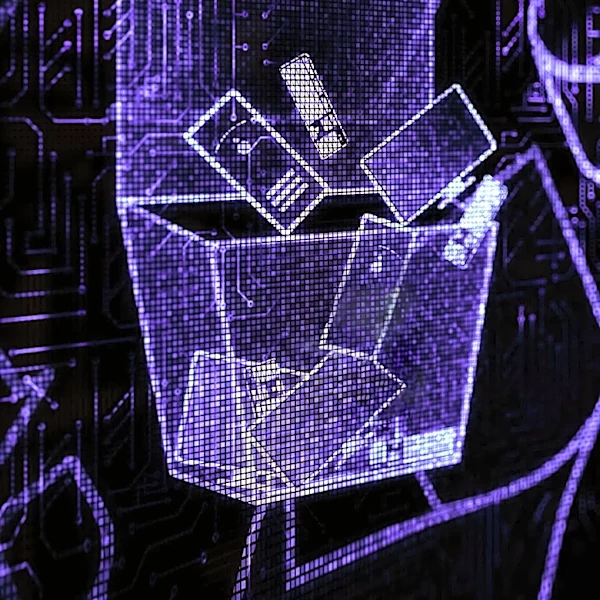
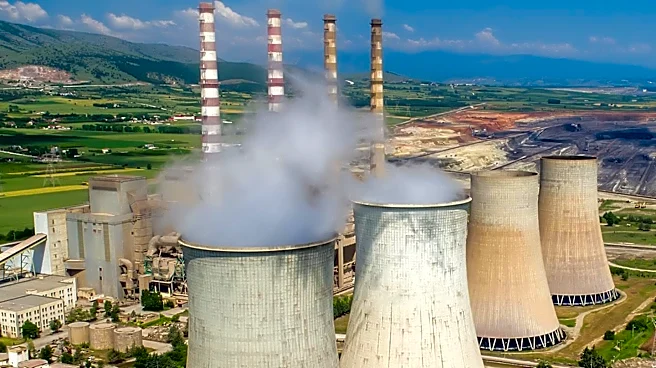
The Bureau of Industry and Security (BIS) has issued a temporary final rule restricting the export of certain critical mineral materials, including 'black mass' from lithium-ion batteries and tungsten waste, to non-U.S. entities. This rule, effective
from August 27, 2026, mandates that these materials be sold exclusively to U.S. buyers unless authorized by BIS. The decision follows a Presidential Determination highlighting the scarcity of these materials and their importance to national defense. The rule aims to secure domestic supply chains and mitigate risks associated with foreign dependency.
Why It's Important?
This move underscores the U.S. government's focus on securing critical mineral supplies essential for national defense and technological advancement. By restricting exports, the U.S. aims to bolster its domestic industries, particularly those involved in defense and technology, which rely heavily on these materials. This policy could impact global supply chains and trade relations, as countries dependent on U.S. exports may need to seek alternative sources. It also reflects broader geopolitical strategies to reduce reliance on foreign materials and enhance national security.
What's Next?
The BIS has opened a 90-day public comment period to gather feedback on the rule and its implications. Companies affected by the export restrictions will need to navigate the new regulatory landscape, potentially seeking BIS authorization for exceptions. The U.S. government may continue to evaluate and adjust its policies on critical minerals, balancing national security concerns with international trade obligations. Stakeholders, including industry groups and foreign governments, will likely engage in discussions to address the rule's impact on global trade dynamics.