





What's Happening?
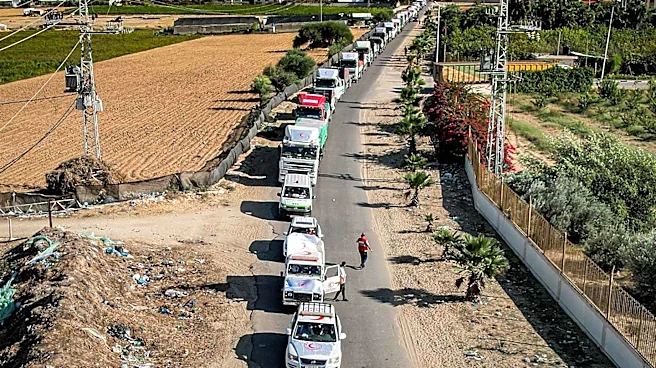
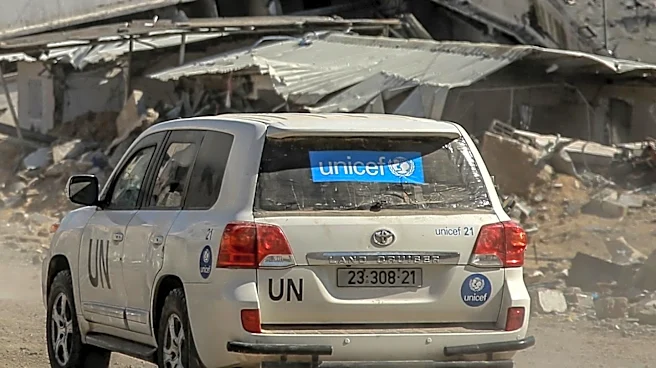
The United Nations Office for the Coordination of Humanitarian Affairs (OCHA) has reported that restrictions imposed by the Taliban are significantly disrupting humanitarian operations in Afghanistan. These restrictions specifically target female aid
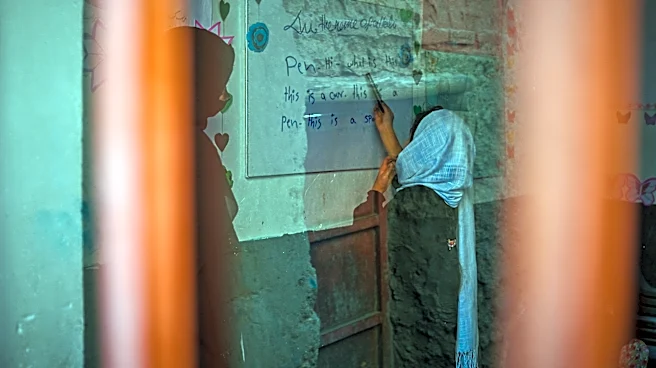
workers and limit women's and girls' access to essential services and assistance, including hygiene supplies. In October 2026, OCHA recorded 29 humanitarian access-related incidents, with 21 involving interference in humanitarian activities. Four of these incidents directly concerned restrictions on the participation of female aid workers. The Taliban have banned women from working for national and international non-governmental organizations and the United Nations, a measure that is part of broader restrictions curtailing the rights and freedoms of women and girls since August 2021. These include prohibitions on girls attending secondary school, women attending universities, and women working in most government and many private-sector jobs. Additionally, there are reports of Taliban members interfering in aid distribution, with some aid intended for women and girls being misappropriated or diverted.
Why It's Important?
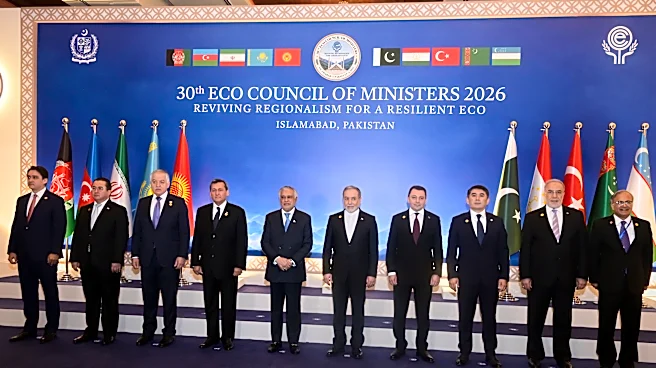
These restrictions have severe implications for the delivery of humanitarian aid in Afghanistan, a country already facing significant humanitarian needs. The inability of female aid workers to participate in operations hinders the culturally appropriate delivery of assistance, particularly to women and girls who may only be able to interact with female aid providers. This directly impacts access to critical services such as healthcare, education, and the distribution of essential supplies. The reported misappropriation of aid by Taliban members further exacerbates the crisis, ensuring that assistance does not reach the most vulnerable populations. The systematic curtailment of women's rights, including their ability to work and receive education, also has long-term societal and economic consequences, deepening poverty and limiting the country's potential for recovery and development. The international community, including the Organization of Islamic Cooperation (OIC), has voiced concerns, stating that these restrictions contradict Islamic values.
What's Next?
The United Nations and other humanitarian organizations will likely continue to advocate for the removal of these restrictions to ensure unimpeded access for aid delivery and the full participation of female aid workers. However, the Taliban have previously denied interfering in humanitarian operations, claiming they only monitor aid distribution, suggesting a potential stalemate in negotiations. The international community may increase pressure on the Taliban through diplomatic channels and by highlighting the humanitarian crisis. Aid organizations will need to adapt their strategies to navigate these challenging restrictions, potentially seeking alternative methods to reach women and girls while adhering to safety and ethical guidelines. The ongoing interference and misappropriation of aid will also necessitate enhanced monitoring and accountability mechanisms to ensure aid reaches its intended recipients.
Beyond the Headlines
The Taliban's policies reflect a broader ideological stance that systematically marginalizes women from public life, impacting not only humanitarian efforts but also the fundamental human rights of half the population. This situation raises profound ethical questions about the conditions under which international aid can be effectively and equitably delivered when a governing authority actively obstructs access based on gender. The long-term implications include the potential for a lost generation of women and girls deprived of education and economic opportunities, which will have lasting effects on Afghanistan's social fabric and economic stability. The international community's response will also set a precedent for how similar challenges are addressed in other contexts where humanitarian principles clash with local governance. The reported diversion of aid also highlights issues of corruption and control within the Taliban's administration, further complicating humanitarian efforts.