







What's Happening?
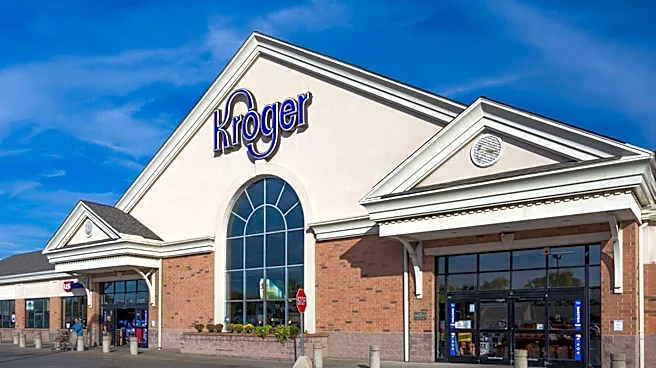
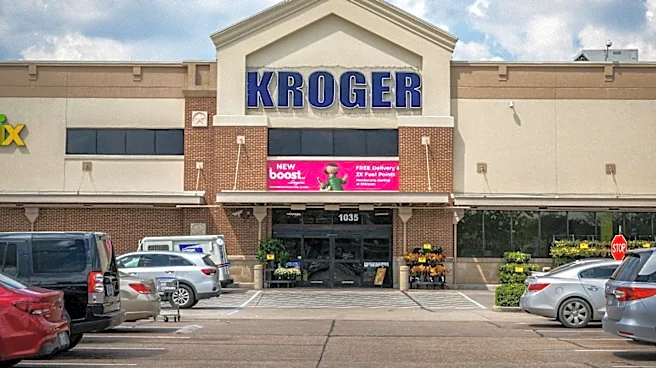
The Kroger Co. is actively promoting public health by making various vaccinations readily available at its pharmacies across 35 states. The grocer emphasizes the importance of vaccinations, including flu, COVID-19, and RSV, as effective measures to protect
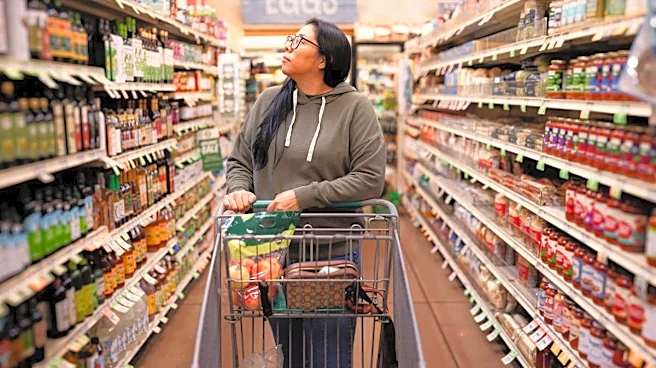
families and communities. Customers can schedule appointments online at Kroger.com/vaccine or utilize walk-in services. Most patients with health insurance can receive these vaccines without out-of-pocket costs. Bill Shinton, interim president of Kroger Health, highlighted the convenience of integrating vaccine appointments with routine grocery shopping or prescription pickups, underscoring Kroger's commitment to accessible healthcare. The company operates over 2,200 pharmacies and nearly 200 The Little Clinic locations, making it a significant point of access for health services. Medical organizations recommend annual flu vaccinations for individuals six months and older, COVID-19 vaccinations for adults 18 and older, and RSV vaccines for adults 75 and older, as well as those aged 50 to 74 with specific chronic conditions. Kroger pharmacists are available to address customer questions regarding vaccine eligibility and can administer multiple vaccines during a single visit.
Why It's Important?
Kroger's initiative to provide widespread access to vaccinations is crucial for public health in the U.S., particularly as it leverages its extensive retail footprint to reach a broad demographic. By offering convenient, often no-cost vaccinations alongside everyday errands, Kroger removes significant barriers to healthcare access, potentially increasing vaccination rates across the country. This approach can lead to a healthier population, reducing the burden on the healthcare system and mitigating the spread of infectious diseases like influenza, COVID-19, and RSV. For communities, especially those in underserved areas, Kroger's pharmacies serve as vital health hubs. The program also demonstrates a growing trend of non-traditional healthcare providers playing a more active role in public health, which could influence future healthcare delivery models. Economically, higher vaccination rates can lead to fewer sick days, increased productivity, and reduced healthcare expenditures, benefiting both individuals and the broader economy. Kroger's commitment to community health also enhances its corporate social responsibility profile, potentially strengthening customer loyalty and brand perception.
What's Next?
Kroger is expected to continue its vaccination programs, adapting to evolving public health recommendations and vaccine availability. The company will likely maintain its focus on convenience, potentially exploring further integration of health services within its retail ecosystem. This could include expanding the types of routine health screenings or preventative care offered at its pharmacies and clinics. As the flu season progresses and new variants of COVID-19 emerge, Kroger will likely adjust its communication strategies to inform customers about the latest vaccine guidelines and availability. The success of these programs could also encourage other large retailers with pharmacy operations to expand their health service offerings, leading to a more decentralized and accessible healthcare landscape. Furthermore, Kroger may continue to leverage its digital platforms for scheduling and information dissemination, enhancing the customer experience and reach of its health initiatives. The company's ongoing efforts will be critical in supporting national public health goals and ensuring communities remain protected against preventable diseases.
Beyond the Headlines
Kroger's proactive stance in public health extends beyond immediate vaccination efforts, reflecting a broader shift in the role of retail pharmacies as community health centers. This model blurs the lines between traditional retail and healthcare, offering a more integrated and accessible approach to wellness. The initiative highlights the ethical responsibility of large corporations to contribute to societal well-being, especially given their reach and resources. It also underscores the potential for private sector entities to complement and enhance public health infrastructure, particularly in areas where access to medical facilities might be limited. The convenience factor of getting vaccinated while grocery shopping could normalize preventative health measures, making them a routine part of daily life rather than a separate, often inconvenient, appointment. This integration could lead to long-term behavioral changes in how individuals approach their health, fostering a more health-conscious society. Moreover, the data collected from these programs could provide valuable insights into community health needs, allowing for more targeted interventions and resource allocation in the future.