
What's Happening?
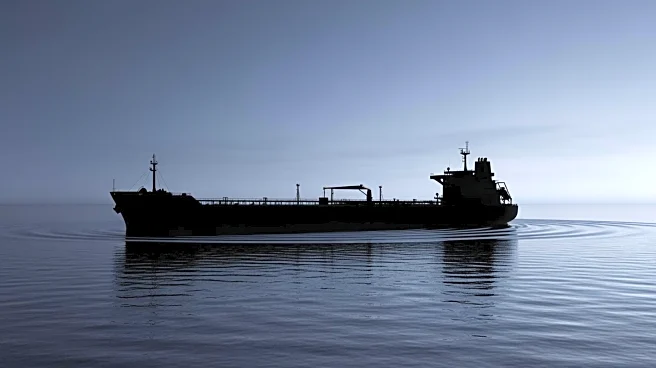
A Gambia-flagged oil and chemical tanker, named the Hyperion, has entered Venezuelan waters despite being sanctioned by the United States. This move comes after President Trump declared a 'total and complete
blockade' on such vessels transiting the country. The tanker was seen near a refinery off Venezuela’s Amuay Bay, according to ship tracking data. The sanctions, imposed on January 10, 2025, are part of U.S. efforts to reduce Russian revenues from energy. The U.S. has also announced sanctions on shipping companies and vessels involved in moving Venezuelan oil, as well as on individuals connected to President Nicolás Maduro. Venezuela has criticized the blockade, labeling it a 'reckless and serious threat' and has vowed to defend its sovereignty.
Why It's Important?
The entry of the sanctioned tanker into Venezuelan waters highlights the ongoing tensions between the U.S. and Venezuela. The blockade and sanctions are part of a broader U.S. strategy to exert economic pressure on the Venezuelan government, which it accuses of drug trafficking and illegitimacy. This situation could further strain U.S.-Venezuela relations and impact global oil markets, as Venezuela is a significant oil producer. The sanctions also reflect the U.S.'s continued efforts to curb Russian influence in the energy sector. The geopolitical implications are significant, as they could lead to increased tensions in the Caribbean and affect international trade routes.
What's Next?
The U.S. is likely to continue its pressure campaign against Venezuela, potentially leading to further sanctions or military actions. Venezuela may seek support from allies to counteract U.S. measures, which could escalate the situation. The international community may become more involved, either through diplomatic efforts to resolve the conflict or by taking sides. The situation could also lead to legal challenges regarding the blockade, as blockades are considered acts of war under some international treaties.