








What's Happening?
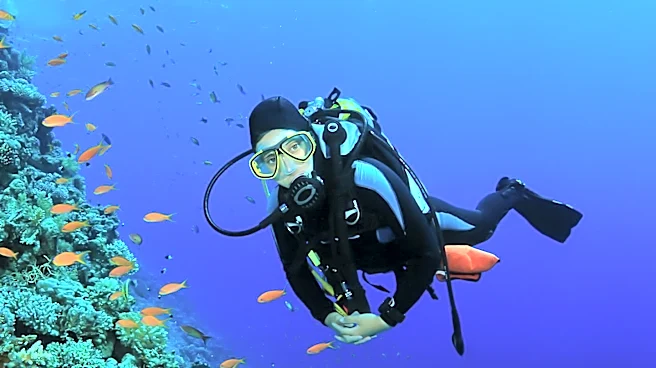
The diving community is grappling with issues of trust, as highlighted by Gareth Lock, founder of The Human Diver. Lock emphasizes the dual nature of trust in diving: structural trust, based on certifications and reputations, and personal trust, which
must be earned through relationships. The small size of the diving community means reputations are crucial, but this also leads to reluctance in voicing concerns about peers. Lock argues that most adverse events in diving are due to system failures rather than individual errors. He advocates for better communication and understanding of personal competencies to enhance safety and trust within diving teams.
Why It's Important?
Trust is a critical component in high-risk activities like diving, where the stakes can be life-threatening. The reliance on structural trust through certifications and reputations can lead to complacency, while personal trust requires time to develop, which is often not available in temporary diving teams. The lack of trust can result in unreported risks and potential accidents. Improving trust dynamics can lead to safer diving practices and prevent incidents that could have been avoided with better communication and understanding of individual capabilities.
What's Next?
The diving community may need to adopt new strategies to build trust more effectively. This could include more comprehensive briefings and debriefings, fostering open communication about individual competencies, and encouraging a culture where raising concerns is seen as a positive action. Organizations might also consider revising their training and certification processes to ensure they reflect current competencies rather than just past achievements.
Beyond the Headlines
The issue of trust in diving reflects broader challenges in high-risk industries where temporary teams are common. The concept of 'swift trust'—trust based on role expectations rather than personal relationships—can be applied to other sectors, highlighting the need for robust systems that support both structural and personal trust. This approach could lead to improvements in safety and efficiency across various fields.