



What's Happening?
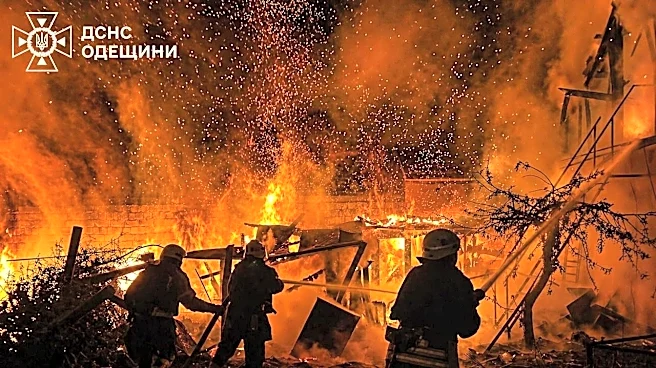
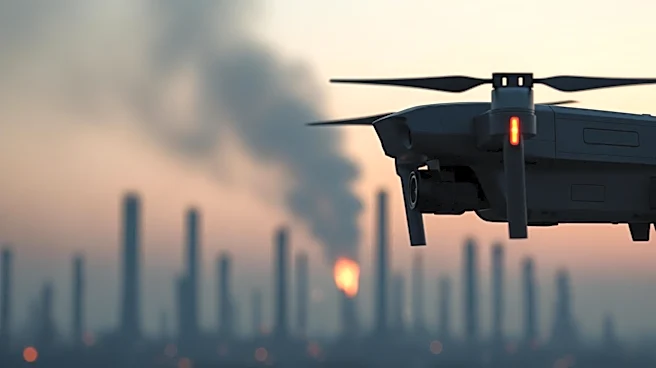
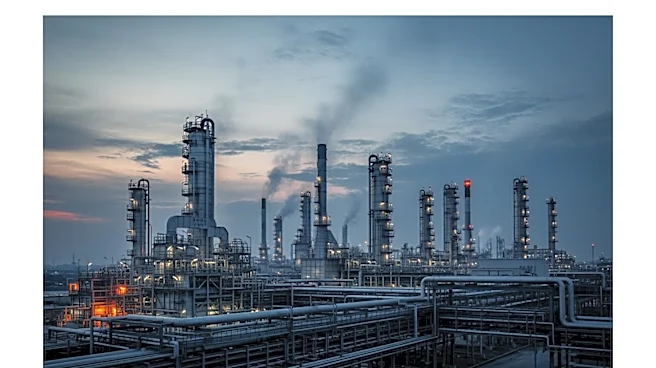
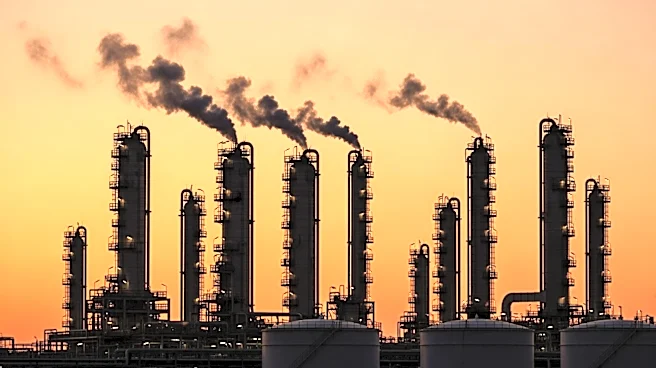
Russian President Vladimir Putin has addressed recent Ukrainian drone strikes on oil infrastructure in Tuapse, Russia, stating that there are 'no serious threats' from these attacks. This marks the third drone strike in a month, with previous attacks causing
fires and environmental damage, including an oil slick in the Black Sea. Despite the potential for serious environmental consequences, Putin assured that local authorities are managing the situation effectively. Kremlin spokesman Dmitry Peskov noted that information about the strikes is classified, but cleanup efforts are ongoing.
Why It's Important?
The drone strikes on Russian oil infrastructure highlight the ongoing conflict between Ukraine and Russia, with potential implications for regional stability and environmental safety. The attacks demonstrate Ukraine's capability to target critical infrastructure, which could escalate tensions further. For Russia, these strikes pose a challenge to maintaining energy security and managing environmental risks. The situation also raises concerns about the broader impact on global oil markets, as disruptions in supply could affect prices and availability. The international community is closely monitoring these developments, given their potential to influence geopolitical dynamics.
What's Next?
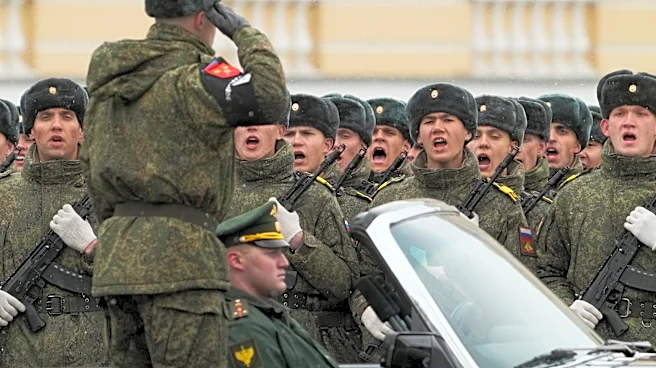
As the situation develops, both Russia and Ukraine may adjust their military and diplomatic strategies. Russia might enhance its defensive measures to protect critical infrastructure, while Ukraine could continue to leverage drone technology in its military operations. The international community may call for increased diplomatic efforts to de-escalate tensions and address the environmental impact of the strikes. Additionally, there could be discussions on the regulation of drone warfare and its implications for international security and environmental protection.