





What's Happening?
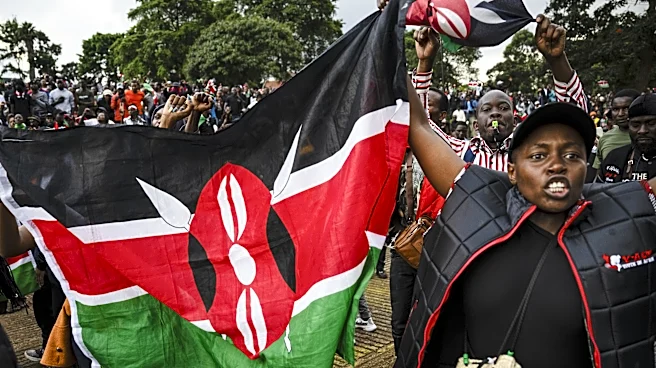
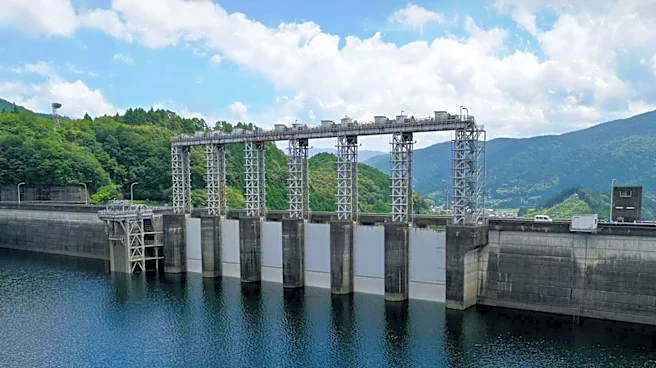
Residents near the Thwake Dam site in Makueni County, Kenya, staged a protest on Friday, November 6, demanding a review of compensation awards for damages caused by blasting during the dam's construction. Protesters, some traveling over 10 kilometers
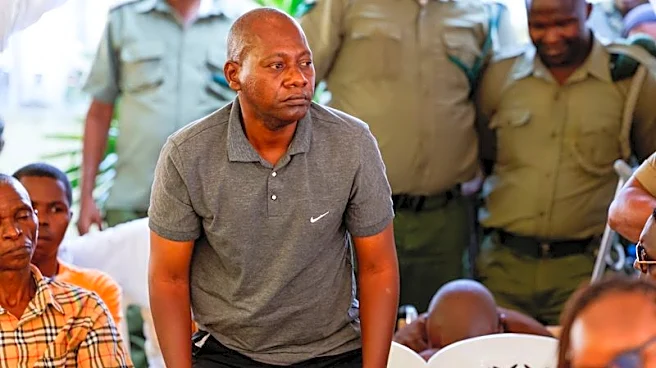
from Mavindini town, claim that the compensation amounts of Ksh12,000 and Ksh22,000 are insufficient to cover the repair costs for their homes and businesses. For instance, fish farmer Justus Mwaka stated he received Ksh22,000, but estimates over Ksh70,000 for house repairs and Ksh100,000 for fish-cage repairs, which cracked and lost water due to vibrations. Landlord Muia Kimilu, who received Ksh12,000, reported that a mason estimated repairs to his rental property at approximately Ksh147,000. Residents are calling for an independent assessment of their losses, transparency in beneficiary selection, and a re-evaluation of the compensation figures. The blasting damage reportedly occurred between 2023 and 2024. The first phase of the Thwake Multipurpose Water Development Programme is about 94% complete, with water storage anticipated by January 2027.
Why It's Important?
This protest highlights significant issues regarding infrastructure development and community displacement or impact in Kenya. The discrepancy between the compensation offered and the actual repair costs suggests potential inadequacies in the assessment process, which could lead to long-term economic hardship for affected families and businesses. If not addressed fairly, such disputes can erode public trust in government-led development projects and create social unrest. The situation also raises questions about the accountability of contractors and the oversight mechanisms in place to ensure fair treatment of local populations during large-scale construction. The economic well-being of these communities, many of whom rely on agriculture and small businesses, is directly threatened, potentially leading to increased poverty and displacement if their properties are not adequately restored or compensated. The lack of transparency in the compensation process further exacerbates these concerns, making it difficult for residents to understand how the awards were determined.
What's Next?
Kathonzweni Deputy County Commissioner Annabel Gitonga has stated that the residents' grievances will be forwarded to relevant authorities, urging calm while the government engages with the contractor and other stakeholders. However, no specific timeline for this engagement or a commitment to an independent assessment has been announced. The residents will likely continue to press for a review of the compensation awards and a more transparent process. The outcome of these discussions will be crucial in determining whether the affected communities receive adequate redress and whether the Thwake Dam project can proceed without further social friction. The government's response will set a precedent for future large-scale development projects in Kenya, influencing how community impacts are managed and compensated. Further protests or legal actions could ensue if residents feel their demands are not met, potentially delaying the project's completion or increasing its overall cost.
Beyond the Headlines
The situation at Thwake Dam reflects a broader challenge in many developing nations where large infrastructure projects, while aiming for national progress, often disproportionately affect local communities. The ethical implications of under-compensating residents for damages are profound, potentially leading to a cycle of poverty and displacement. This case also touches upon the legal framework surrounding eminent domain and property rights in Kenya, and whether existing laws adequately protect citizens from the negative externalities of development. The long-term cultural and social fabric of these communities could be irrevocably altered if families are forced to abandon their homes or livelihoods due to insufficient compensation. This incident underscores the need for robust social impact assessments, fair valuation practices, and accessible grievance mechanisms to ensure that development benefits all segments of society, not just the national economy.