


What's Happening?
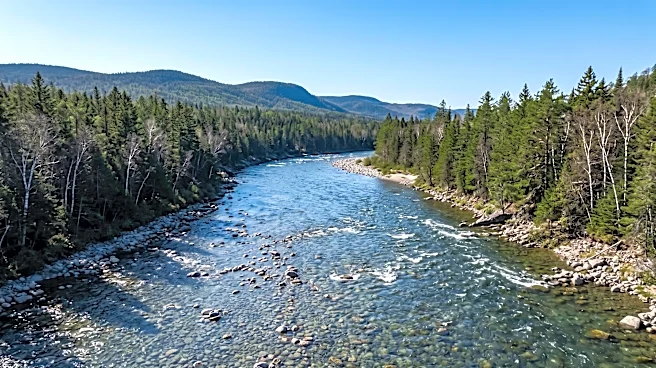
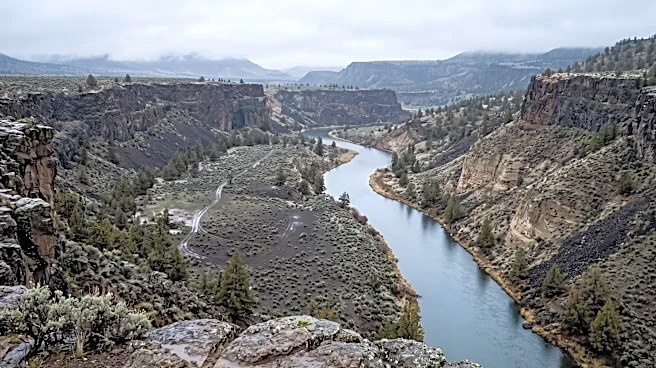
The Bureau of Land Management (BLM) has reopened the Priest Hole Recreation Site in Central Oregon, and federal land managers have reduced Public Use Fire Restrictions to Stage 1 across the Ochoco and Deschutes national forests, Crooked River National
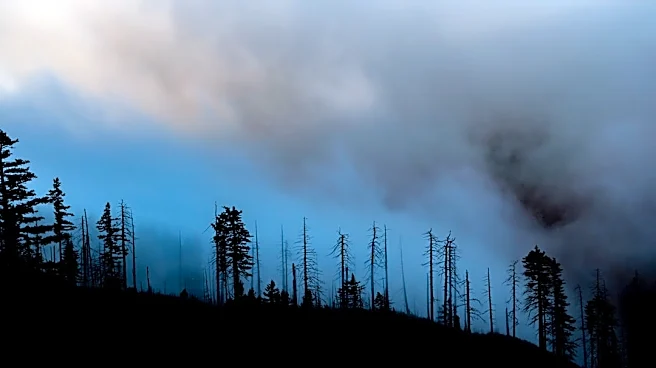
Grassland, and Prineville District BLM lands. These changes come as cooler temperatures and recent moisture have helped to ease fire conditions. Despite the eased restrictions, campfires remain prohibited on BLM-managed lands along the John Day River, including Priest Hole, until October 15. Firefighters continue to work on the Rowe Creek Complex, which is 99% contained, addressing remaining pockets of heat and smoke that do not threaten containment lines. Over 215 miles of suppression repair have been completed, including dozer lines, handlines, and road repairs, with resource advisors and archaeologists assisting in prioritizing work to protect natural and cultural resources. Rain is expected to continue, potentially affecting crew operations, but drier and warmer conditions are anticipated by Monday.
Why It's Important?
The easing of fire restrictions and the reopening of recreation sites are significant for both local communities and the broader public in Central Oregon. The ability to access areas like Priest Hole Recreation Site allows for a return to outdoor activities, which are vital for local economies that rely on tourism and recreation. The continued prohibition of campfires in specific areas, despite overall reduced restrictions, highlights an ongoing cautious approach to fire prevention, reflecting the persistent risk of wildfires even with improved weather conditions. This balanced approach aims to protect natural resources and public safety while gradually restoring access. The extensive suppression repair work underscores the long-term commitment required to mitigate the environmental impact of large-scale wildfires and restore affected landscapes, ensuring the sustainability of these public lands for future use.
What's Next?
Supervisors will continue to assess weather conditions, particularly the expected rain, to ensure crew safety and prevent damage to wet roads during ongoing suppression repair efforts. Drier and warmer weather is forecast to begin Monday and last through mid-week, which will likely influence the pace and nature of remaining fire suppression and repair activities. The prohibition on campfires along the John Day River will remain in effect until October 15, after which further assessments will determine if conditions allow for their reinstatement. The public is advised to check current restrictions for specific areas before engaging in outdoor activities, as restrictions can still vary by location. Continued monitoring of fire activity and weather patterns will guide future decisions regarding public access and fire prevention measures across the affected federal lands.
Beyond the Headlines
The careful management of public lands in the aftermath of a significant wildfire, such as the Rowe Creek Complex, illustrates the complex interplay between ecological recovery, public access, and economic considerations. The involvement of resource advisors and archaeologists in repair efforts highlights a holistic approach that extends beyond immediate fire suppression to include the preservation of cultural heritage and long-term environmental health. The gradual easing of restrictions, rather than an immediate full reopening, reflects a learned caution from past fire seasons and an understanding of the delicate balance required to prevent re-ignition. This situation also underscores the increasing challenges faced by land managers in the U.S. due to changing climate patterns, which often lead to more frequent and intense wildfires, necessitating adaptive strategies for both prevention and recovery.