









What's Happening?
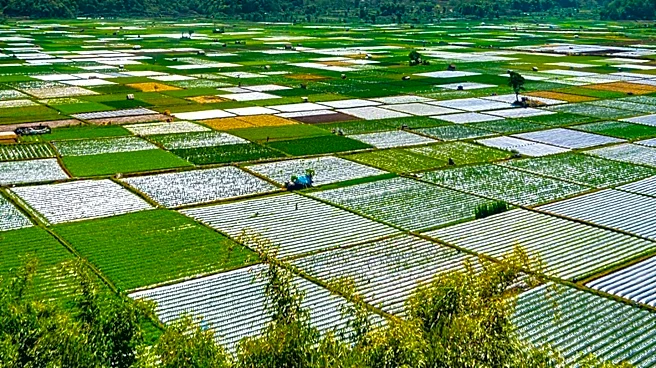
The Indonesian Ministry of Agriculture is implementing a modernization program in Merauke Regency, South Papua, aimed at enhancing food security and achieving sustainable national food self-sufficiency. The initiative involves the use of advanced agricultural
technologies comparable to those in Japan and the United States. Agriculture Minister Andi Amran Sulaiman highlighted the transition from conventional to modern farming practices, including the use of drones, rice transplanters, and combine harvesters. This shift has increased the cropping index in Merauke to 2, surpassing the national average of 1.7, and has boosted rice yields from three to seven tonnes per hectare. The program also aims to improve the living standards of local communities by increasing their income by up to 300 percent. The government has developed 83,030 hectares of new rice fields and intensified cultivation on 54,399 hectares of existing farmland, with significant contributions from South Papua.
Why It's Important?
This modernization effort is crucial for Indonesia's food security strategy, as it aims to increase agricultural productivity and self-sufficiency. By adopting advanced technologies, the program not only enhances crop yields but also improves the economic well-being of local farmers. The increase in income and productivity can lead to greater economic stability in the region, reducing poverty and enhancing the quality of life. Additionally, the success of this initiative could serve as a model for other regions in Indonesia and potentially influence agricultural practices in other developing countries. The program's focus on sustainable practices also aligns with global efforts to address food security challenges in the face of climate change and population growth.
What's Next?
The Indonesian government plans to continue supporting Merauke farmers with ongoing assistance to ensure the widespread adoption of modern farming practices. This includes further expansion of farmland and the introduction of more advanced technologies. The success of this program could lead to similar initiatives in other parts of Indonesia, potentially transforming the country's agricultural landscape. Stakeholders, including local governments and international partners, may also play a role in scaling up these efforts. Monitoring and evaluation of the program's impact will be essential to ensure its sustainability and effectiveness in achieving long-term food security goals.