






What's Happening?
Lawmakers have introduced three new federal bills aimed at expanding access to affordable housing and homelessness resources across the United States. These legislative proposals seek to maintain Department of Housing and Urban Development (HUD)-assisted
affordable housing, increase investment in the National Housing Trust Fund, and expand permanent supportive housing. Senator Lisa Blunt Rochester (D-Del.) and Representatives Shontel Brown (D-Ohio), Carlos Gimenez (R-Fla.), and Michael Lawler (R-N.Y.) introduced the Affordable Housing Preservation and Protection Act. This act would provide loans to owners of distressed HUD-assisted housing for renovations, offer HUD new tools to preserve properties without displacing residents, and strengthen outreach to local stakeholders. Separately, Senator Cory Booker (D-N.J.) introduced the Transit-Oriented Development Act, proposing a $300 billion investment over 10 years into the National Housing Trust Fund to build and preserve affordable housing near transit hubs, aiming to create over two million new affordable units. Additionally, Senator Tina Smith (D-Minn.) introduced the 'Building and Maintaining Homeless Shelters Act,' which would establish a new grant program providing over $1.5 billion over five years to construct shelters and permanent supportive housing, and to maintain existing facilities.
Why It's Important?
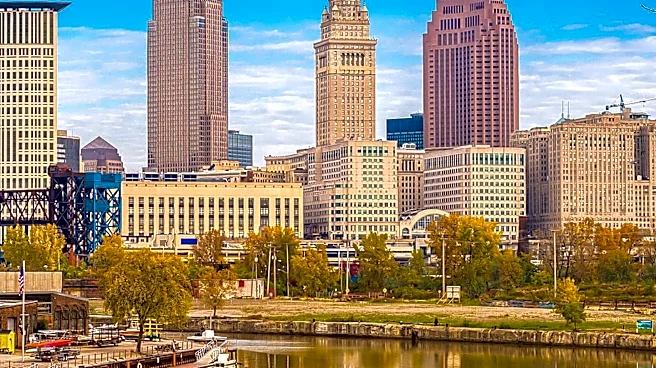
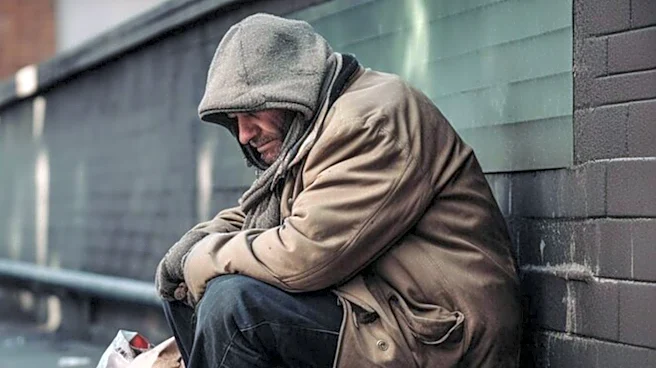
These legislative efforts are critical in addressing the severe affordable housing crisis and rising homelessness rates nationwide. The Affordable Housing Preservation and Protection Act aims to safeguard existing HUD-assisted housing, preventing the loss of affordable units that are already in short supply. This is crucial for communities like Cleveland, which have experienced the consequences of distressed federally assisted multifamily housing. Senator Booker's Transit-Oriented Development Act tackles the issue by proposing significant investment in new affordable housing, strategically located near transit to connect residents with jobs and essential services, thereby fostering economic opportunity and reducing transportation burdens. The 'Building and Maintaining Homeless Shelters Act' directly confronts the homelessness crisis by increasing the capacity of shelters and supportive housing, which is vital given that over 700,000 people experience homelessness annually. Collectively, these bills represent a multi-faceted approach to a complex problem, seeking to preserve current resources, create new ones, and provide essential support for vulnerable populations, thereby impacting the social and economic well-being of millions of Americans.
What's Next?
The proposed bills will now proceed through the legislative process, requiring debate, potential amendments, and votes in Congress. Advocates, such as the National Low Income Housing Coalition, will likely continue to lobby for their passage, emphasizing the urgent need for expanded affordable housing and homelessness resources. The success of these bills will depend on bipartisan support and the ability to secure necessary funding. If enacted, the Affordable Housing Preservation and Protection Act would empower HUD with new tools and funding to intervene in distressed properties, potentially preventing displacement and ensuring the longevity of affordable housing. The Transit-Oriented Development Act, if passed, would initiate a substantial federal investment, leading to the development of new housing units and infrastructure projects over the next decade. The 'Building and Maintaining Homeless Shelters Act' would channel significant grants to communities, enabling them to enhance their capacity to serve individuals experiencing homelessness. The implementation of these acts would necessitate coordination between federal agencies, state and local governments, and housing authorities to effectively allocate resources and achieve their intended outcomes.
Beyond the Headlines
Beyond the immediate policy implications, these legislative proposals highlight a growing recognition of housing as a fundamental human right and a critical component of economic stability and social equity. The focus on preserving existing affordable housing units underscores the long-term value of current infrastructure and the cost-effectiveness of maintenance over new construction. The emphasis on transit-oriented development reflects a broader urban planning philosophy that integrates housing with transportation, aiming to reduce commutes, lower carbon footprints, and create more sustainable communities. Furthermore, the push for increased funding for homeless shelters and supportive housing acknowledges the complex social determinants of health and well-being, recognizing that stable housing is foundational to addressing issues like poverty, health disparities, and educational attainment. These bills, if successful, could catalyze a shift in federal housing policy, moving towards more proactive and comprehensive strategies to ensure housing security for all Americans, and potentially influencing future urban development patterns and social welfare programs.