






What's Happening?
The U.S. Department of Transportation (DOT) has come under scrutiny for its recent decision to eliminate bicycle and pedestrian lane grants from its $1.7 billion discretionary grants. Additionally, all references to bicycles, including safety tips, have
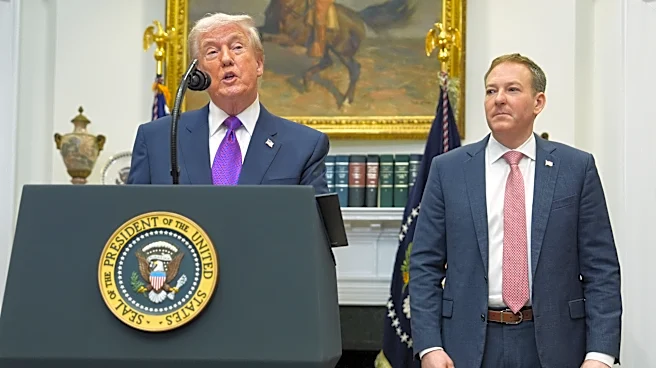
been removed from the DOT's websites. This move was announced via a social media post by the transportation secretary, who criticized the previous administration for using funds on what he described as 'DEI bike lanes and climate change.' The decision has sparked controversy, with some viewing it as an unnecessary attack on bicycles, which are often seen as environmentally friendly and a healthy mode of transportation. A DOT web support staffer expressed confusion over the removal of bicycle safety information, questioning the rationale behind the decision.
Why It's Important?
The removal of bicycle safety initiatives and funding for bike lanes could have significant implications for urban planning and public safety. Bicycles are a popular mode of transportation in many U.S. cities, offering a sustainable alternative to cars and helping to reduce traffic congestion and pollution. The decision to cut funding and remove safety information may discourage cycling, potentially leading to increased reliance on cars and higher emissions. This move also reflects broader political tensions surrounding environmental policies and infrastructure spending, highlighting a divide between different approaches to addressing climate change and urban development. Stakeholders such as city planners, environmental advocates, and public health officials may be particularly concerned about the long-term impacts on urban mobility and sustainability.
What's Next?
The decision by the DOT may prompt reactions from various stakeholders, including local governments, cycling advocacy groups, and environmental organizations. These groups may lobby for the reinstatement of funding and safety initiatives, arguing for the benefits of cycling infrastructure. Additionally, there could be legal challenges or legislative efforts to reverse the decision, especially in cities where cycling is a critical component of the transportation network. Public discourse may also intensify around the role of government in promoting sustainable transportation options and the balance between federal and local control over infrastructure projects.
Beyond the Headlines
The controversy over the DOT's decision to cut bicycle-related initiatives underscores a broader cultural and political debate about transportation priorities in the U.S. It raises questions about the role of government in promoting public health and environmental sustainability, as well as the influence of political ideologies on infrastructure policy. The move may also reflect a shift in federal priorities away from climate-focused initiatives, potentially impacting the U.S.'s ability to meet international climate commitments. This development could lead to increased polarization on transportation and environmental issues, affecting future policy decisions and public attitudes towards sustainable living.