







What's Happening?
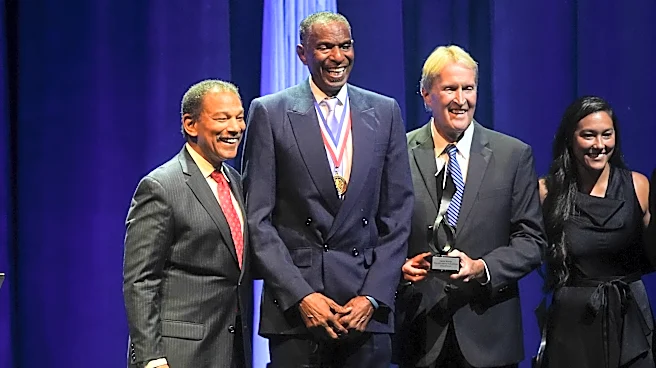
The African Union (AU), through its Office of the Special Envoy on Women, Peace and Security (OSE-WPS) and the Office of the AU Special Envoy for Children Affected by Armed Conflict (CAAC), convened a high-level policy dialogue in New York. The dialogue emphasized
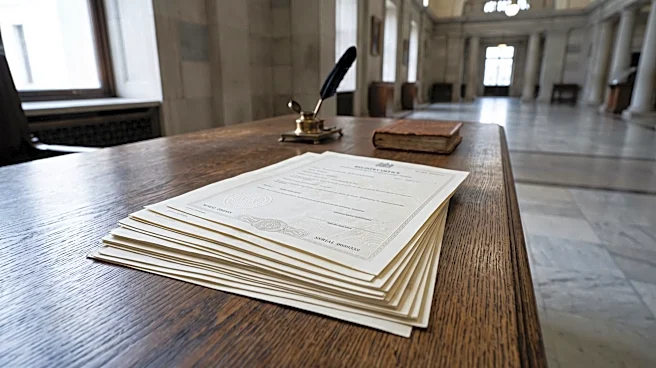
recognizing legal identity as a fundamental right and a crucial gateway to protection for women and children impacted by armed conflict. Held during Women, Peace and Security (WPS) Week, the event highlighted how conflict and displacement often lead to the loss or absence of civil documentation, thereby denying women and children access to essential services like education, healthcare, humanitarian aid, justice, and social protection. The absence of birth registration, in particular, creates lasting barriers to nationality and rights for children.
Why It's Important?
The AU's call for legal identity as a fundamental right for conflict-affected women and children underscores a critical humanitarian and human rights issue with far-reaching implications. For the U.S. and other international actors involved in humanitarian aid and peacebuilding efforts, this initiative highlights the need to integrate legal identity solutions into their programs. Without proper documentation, individuals remain invisible to state and international systems, making them vulnerable to exploitation, trafficking, and denial of basic rights. This also impacts the effectiveness of aid delivery and long-term recovery efforts. The emphasis on birth registration, especially for children born of conflict-related sexual violence, addresses a complex issue that requires legal and social reforms to prevent intergenerational cycles of marginalization. Recognizing legal identity as a gateway to protection is essential for fostering stability and ensuring that peacebuilding efforts are inclusive and sustainable.
What's Next?
Participants in the dialogue presented an outcome document affirming legal identity as a fundamental right and outlined recommendations for Member States. These recommendations include bringing civil registration services closer to conflict-affected and displaced communities through mobile and decentralized services. They also call for legal reforms to ensure that no child is denied birth registration due to an absent, undocumented, or unknown father, and to protect children born of conflict-related sexual violence from stigma and discrimination. Furthermore, the recommendations advocate for integrating legal identity into peacebuilding, humanitarian, and recovery frameworks. The OSE-WPS will consolidate the proceedings and outcomes of its WPS Week engagements to guide follow-up with Member States, AU organs, and partners, aiming to strengthen synergies between the WPS and CAAC agendas.
Beyond the Headlines
The issue of legal identity for conflict-affected populations extends beyond administrative processes; it touches upon profound ethical and societal challenges. The call to ensure birth registration regardless of paternal acknowledgment or proof of marriage directly confronts societal stigmas and legal barriers that disproportionately affect women and children, particularly those who are survivors of sexual violence. This initiative also highlights the critical role of women peacebuilders and community actors, whose work in tracing families and facilitating reintegration is often informal but vital. Integrating their efforts into formal protection mechanisms could significantly enhance the effectiveness of humanitarian responses. Ultimately, ensuring legal identity is not just about documentation; it's about restoring dignity, belonging, and the full spectrum of human rights to those whose lives have been shattered by conflict, fostering a more just and inclusive society.