





What's Happening?
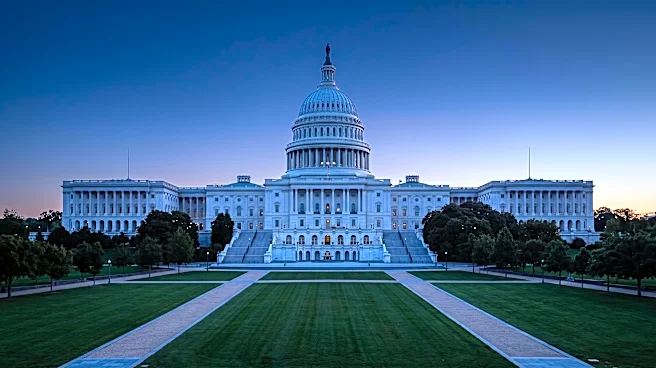
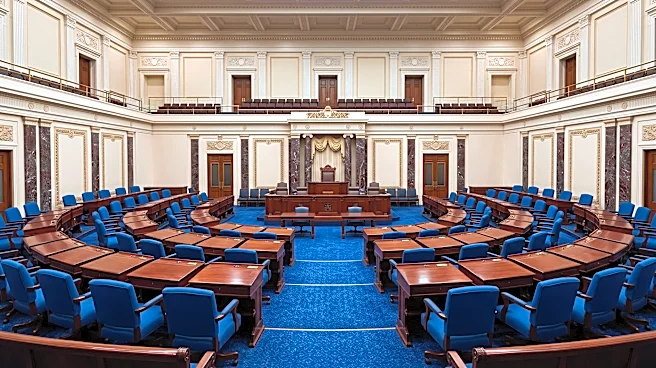
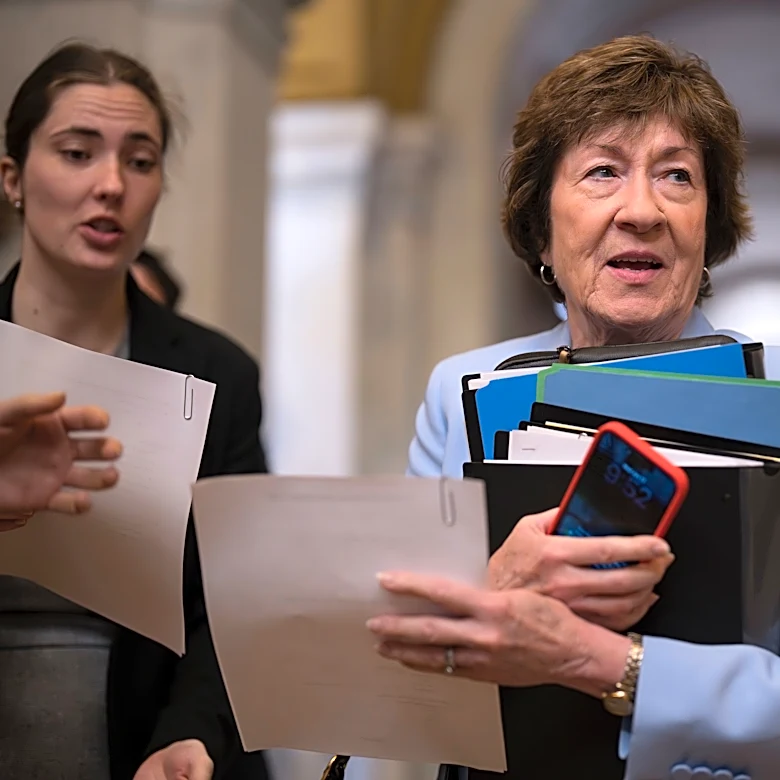
Senator Martin Heinrich (D-NM), the top Democrat on the Energy and Natural Resources Committee, has objected to the passage of the Ratepayer Protection Act (H.R. 9340) in the Senate. The bill, which passed the House with overwhelming bipartisan support
(417-3), aims to address high utility costs for consumers living near data centers by requiring state utility regulators to consider standards that would make large data centers pay the full incremental cost of their electricity consumption. Senator Heinrich argues that the bill's provisions are insufficient because they rely on voluntary pledges and suggestions to states rather than mandating that data centers cover the costs of necessary grid upgrades. He believes that Congress needs to enact "real legislation with real teeth" to ensure data centers contribute adequately to infrastructure costs. His objection blocked the bill's swift passage in the Senate.
Why It's Important?
This legislative disagreement highlights a significant debate over who should bear the financial burden of energy infrastructure upgrades, particularly in the context of rapidly expanding data center operations. The proliferation of data centers, driven by increasing demand for digital services and artificial intelligence, places considerable strain on existing power grids. If data centers are not required to pay for their impact on the grid, these costs could be passed on to residential and other commercial ratepayers, leading to higher utility bills. Senator Heinrich's stance emphasizes the need for robust federal oversight and mandatory contributions from large electricity users to prevent consumers from subsidizing the energy demands of tech companies. The outcome of this debate will influence energy policy, utility rates, and the operational costs for the technology sector, potentially affecting economic development and consumer affordability across the U.S.
What's Next?
It is unlikely that the Ratepayer Protection Act or Senator Heinrich's proposed GRID Savings Act will move forward before the upcoming midterms. The Senate has limited floor time remaining, and a customary debate with procedural votes would consume a significant portion of it. While some lawmakers might favor a roll call vote to publicly document their stance on the issue, the immediate legislative path for either bill appears stalled. Republicans, who largely supported the House bill, may use Heinrich's objection to argue that Democrats are not prioritizing affordability for ratepayers. Conversely, Democrats might continue to push for more stringent regulations on data centers. The issue is expected to resurface in future legislative sessions, potentially after the elections, as the energy demands of data centers continue to grow and put pressure on the national grid.
Beyond the Headlines
The dispute over data center energy costs touches upon broader themes of technological advancement, environmental sustainability, and economic equity. As the digital economy expands, the energy footprint of data centers becomes a critical concern, not only for grid stability but also for climate goals. The current legislative impasse reflects a tension between fostering technological innovation and ensuring that its societal costs are fairly distributed. Beyond direct utility costs, the debate also raises questions about the long-term planning and resilience of the U.S. energy infrastructure. The push for mandatory contributions from large energy consumers could set a precedent for how other energy-intensive industries are regulated, potentially leading to a reevaluation of energy policy frameworks to better integrate the demands of emerging technologies with existing infrastructure and consumer protections.