






What's Happening?
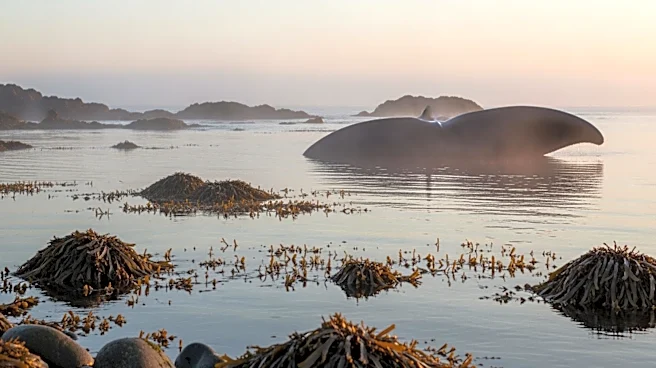
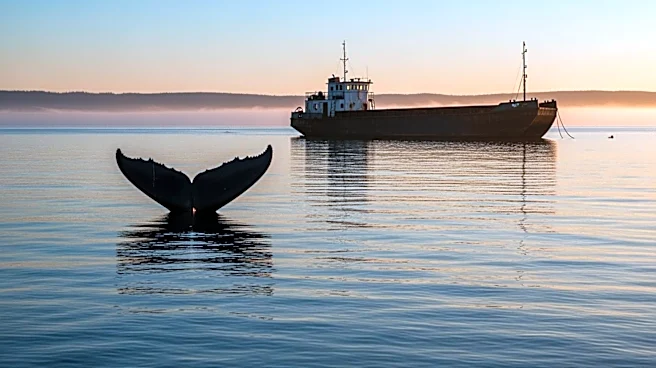
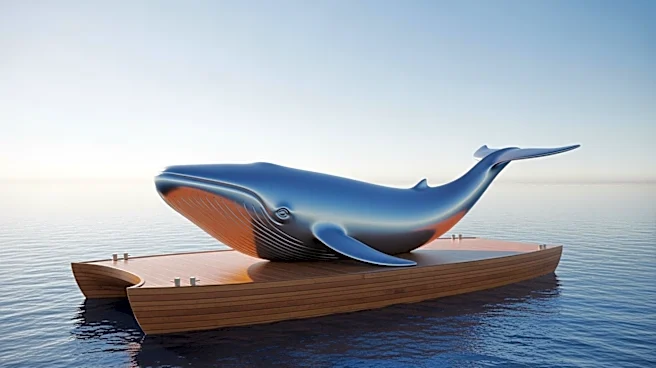
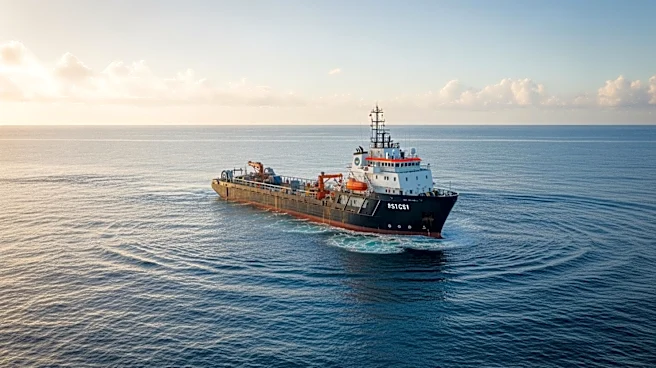
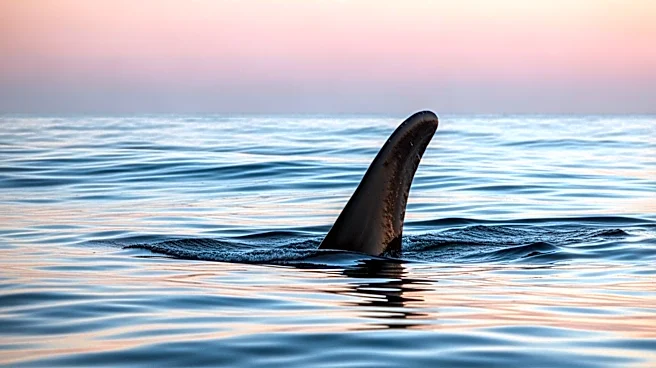
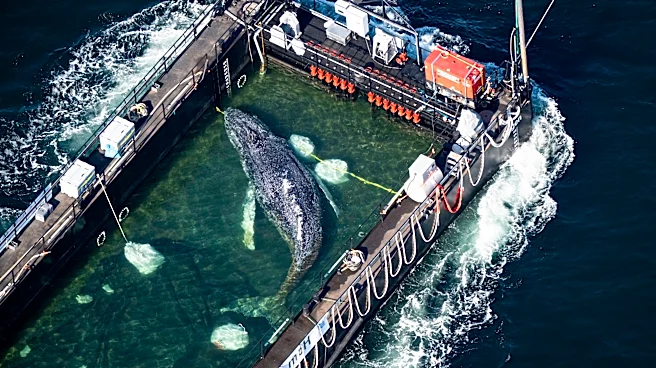
Timmy, an injured humpback whale stranded off the Baltic coast of Germany, is being transported to deeper waters via a barge. The whale was first spotted in March and has since been the focus of extensive rescue efforts. The operation, funded by private
individuals, aims to relocate Timmy to the North Sea, where it can potentially return to the Atlantic Ocean. The rescue has been met with public interest and debate, with some calling for the whale to be euthanized due to its poor health.
Why It's Important?
This rescue operation highlights the complexities of wildlife conservation and the ethical considerations involved in intervening with natural processes. The public's engagement and the financial backing from private individuals demonstrate the importance of community involvement in environmental issues. The outcome of this rescue could influence future conservation strategies and policies, particularly in how governments and private entities collaborate to address wildlife emergencies.
What's Next?
As the barge continues its journey to the North Sea, the focus will be on Timmy's health and ability to adapt to the new environment. Marine experts will likely monitor the whale's progress to ensure it can survive and eventually return to its natural habitat. The success of this operation could lead to increased support for similar initiatives and potentially influence policy changes regarding marine animal rescues.
Beyond the Headlines
The case of Timmy has sparked discussions about the role of human intervention in wildlife conservation. It raises questions about the balance between helping animals in distress and allowing natural processes to take their course. This situation also underscores the need for improved management of marine environments to prevent such incidents from occurring in the future.