










What's Happening?
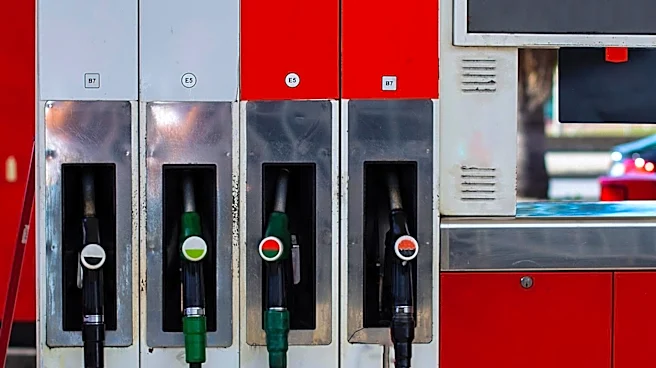
California is set to implement another increase in its gasoline excise tax on July 1, raising the tax by 2.2 cents per gallon to a total of 63.4 cents per gallon. This adjustment is part of a 2017 state law that mandates annual tax increases to account
for inflation. Despite recent easing in fuel prices, Californians continue to pay significantly more than the national average, with the current average price for a gallon of regular gasoline at approximately $5.45. The revenue from the tax is intended for road maintenance and transportation infrastructure projects.
Why It's Important?
The increase in gas prices adds to the financial burden on California residents, particularly as they face broader economic challenges such as inflation and stagnant wages. Higher fuel costs can impact daily commuting and travel, leading to changes in consumer behavior and potentially affecting local economies. The tax hike also highlights the state's efforts to fund infrastructure improvements, which are crucial for maintaining and enhancing transportation systems. However, the reliance on gas tax revenue may face challenges as more Californians transition to electric vehicles.
What's Next?
As the gas tax takes effect, there may be increased discussions on alternative funding mechanisms for infrastructure projects, especially as electric vehicle adoption grows. Policymakers might explore options such as road usage charges or increased investment in public transportation. Consumers may also consider transitioning to more fuel-efficient or electric vehicles to mitigate the impact of rising fuel costs. The ongoing debate over balancing environmental goals with economic realities will likely continue to shape California's transportation policies.