








What's Happening?
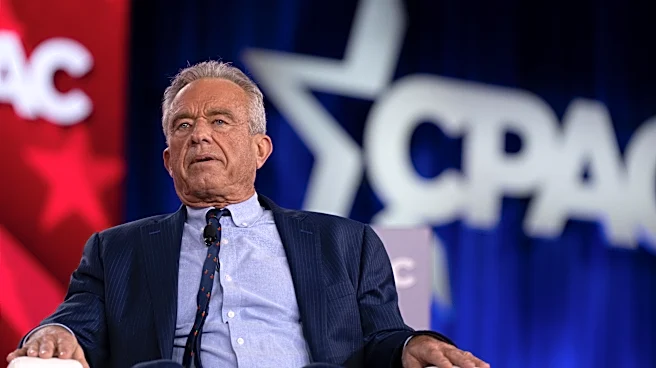
Health Secretary Robert F. Kennedy, Jr. has publicly defended FDA Commissioner Marty Makary against criticism from the pharmaceutical industry. During a congressional hearing with the Ways and Means Committee, Kennedy addressed concerns raised by Rep.
Darin LaHood regarding the FDA's drug review processes, which LaHood claimed could deter investments in innovative cures. Kennedy supported the FDA's decision to reject Replimune's melanoma drug RP1, citing the lack of effectiveness as determined by FDA panels. He criticized the pharmaceutical industry for its influence over Congress and the media, suggesting that this power allows them to challenge Makary's efforts to implement changes. Kennedy highlighted the FDA's record of approving 67 new drugs under his leadership, emphasizing the agency's commitment to rigorous drug evaluation.
Why It's Important?
The defense of the FDA by a high-ranking official like Kennedy underscores the ongoing tension between regulatory bodies and the pharmaceutical industry. The FDA's decision to reject Replimune's drug, despite industry pushback, highlights the agency's commitment to maintaining stringent approval standards. This situation reflects broader concerns about the influence of pharmaceutical companies on public policy and media narratives. The outcome of this conflict could impact future drug approval processes and the balance of power between regulatory agencies and industry stakeholders. The FDA's stance may reassure investors and the public about the integrity of drug evaluations, potentially influencing future investment in biotech and pharmaceutical innovations.
What's Next?
The ongoing debate over the FDA's drug approval processes is likely to continue, with potential implications for future regulatory decisions. Stakeholders, including pharmaceutical companies, investors, and policymakers, may seek to influence or respond to the FDA's actions. The agency's commitment to rigorous standards could lead to further scrutiny of drug applications, potentially affecting the strategies of companies seeking approval. Additionally, the public and media may continue to monitor the influence of the pharmaceutical industry on regulatory bodies, potentially prompting calls for increased transparency and accountability in drug approval processes.