






What's Happening?
The Gaza Strip marks six months since a ceasefire deal took effect, halting intense fighting between Israeli forces and Hamas-led militants. Despite the cessation of major hostilities, significant challenges remain, including disarming Hamas, ending its
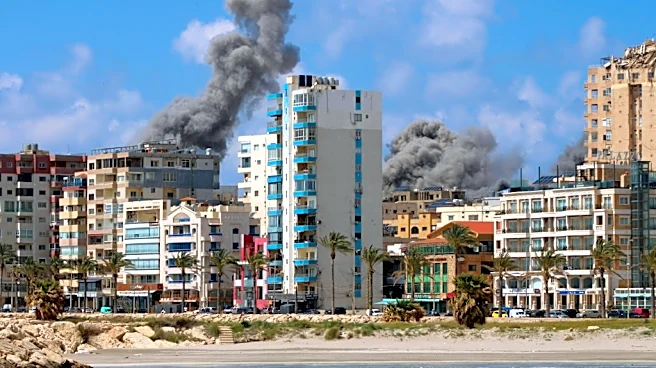
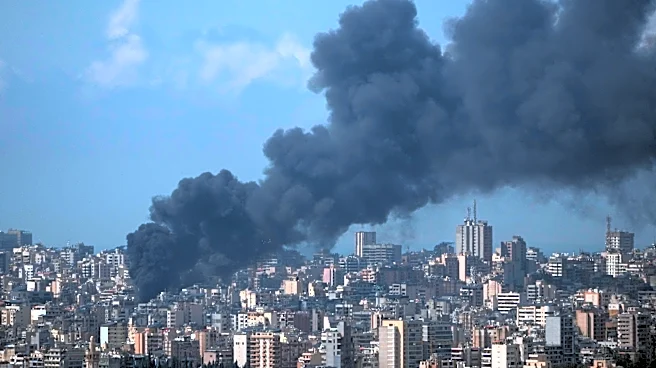
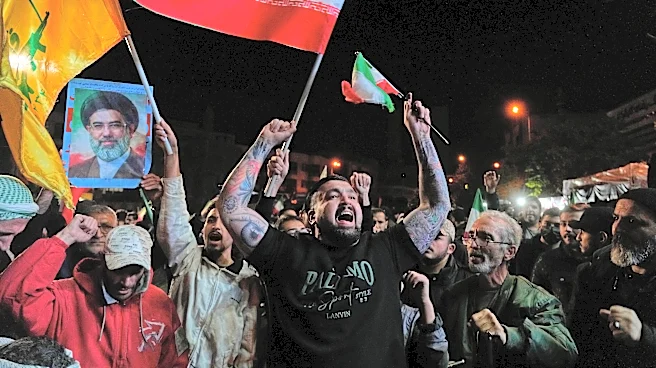
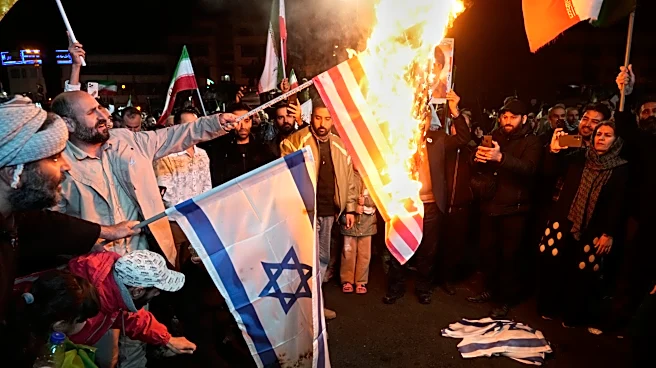
long-standing rule, and deploying an international stabilization force. The ceasefire has not led to substantial improvements in living conditions, with limited aid entering through a single Israeli-controlled border post. The situation in Gaza is seen as a potential precursor to the complexities of the Iran conflict, where President Trump's approach to peacemaking involves stopping bombardment but leaving broader issues unresolved. The Iran war's ceasefire has already led to confusion, particularly regarding Lebanon, where Israel continues to attack Hezbollah despite Iran's insistence that the ceasefire applies.
Why It's Important?
The Gaza ceasefire serves as a critical case study for international conflict resolution, highlighting the difficulties in achieving lasting peace. The ongoing humanitarian crisis in Gaza underscores the need for sustained diplomatic pressure and comprehensive aid strategies. The situation also reflects broader geopolitical tensions, as the Iran conflict introduces additional complexities with multiple actors involved. The lack of progress in Gaza could foreshadow challenges in resolving the Iran conflict, impacting global markets and regional stability. The involvement of the U.S. and other international players in these conflicts has significant implications for foreign policy and humanitarian efforts.
What's Next?
The future of the Gaza ceasefire remains uncertain, with ongoing diplomatic efforts required to address humanitarian needs and political resolutions. The U.S.-led Board of Peace, initially established with ambitious goals, has yet to reconvene, leaving key issues unresolved. The international community's focus has shifted to the Iran conflict, potentially reducing attention and resources for Gaza. The situation in Lebanon, with Israel's renewed conflict with Hezbollah, further complicates regional dynamics and may affect troop contributions to a Gaza stabilization force. Continued diplomatic engagement and pressure are essential to prevent further deterioration and to support long-term peace efforts.
Beyond the Headlines
The Gaza ceasefire highlights ethical and humanitarian concerns, as the population continues to suffer despite the cessation of major hostilities. The lack of progress in reconstruction and aid delivery raises questions about international accountability and the effectiveness of peace agreements. The broader implications for regional stability and international relations are significant, as unresolved conflicts can lead to further escalation and humanitarian crises. The situation calls for a reevaluation of diplomatic strategies and a commitment to addressing underlying issues to achieve sustainable peace.