






What's Happening?
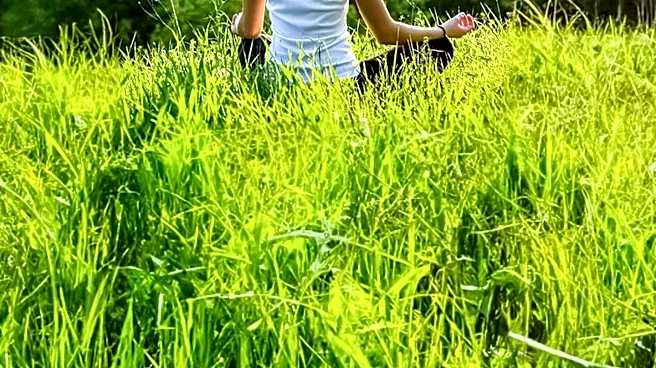
A recent study published in the journal Body Image indicates that spending time in natural environments may encourage healthier eating habits. Researchers from Anglia Ruskin University (ARU) in Cambridge assessed 500 British adults, examining their contact
with nature, body image, self-compassion, connectedness to nature, and intuitive eating practices. The study found a direct positive relationship between nature contact and intuitive eating, an anti-dieting approach focused on listening to the body's internal signals. Professor Viren Swami, the study's lead author, highlighted two key pathways: nature contact influencing intuitive eating through higher levels of body appreciation, and promoting self-compassion, which acts as a buffer against impulsive eating driven by difficult thoughts and emotions. The research suggests that nature helps individuals feel more comfortable in their bodies, appreciate their physical capabilities, and respond better to their body's needs, leading to improved eating behaviors.
Why It's Important?
This study offers significant implications for public health strategies in the U.S., particularly in addressing diet-related health issues. With rising concerns about obesity, chronic diseases, and mental health, integrating nature exposure into wellness recommendations could provide a novel, accessible, and cost-effective intervention. The findings suggest that promoting contact with nature could help individuals develop a more positive relationship with food, moving away from restrictive dieting towards intuitive eating. This shift could lead to more sustainable dietary patterns and improved overall well-being, potentially reducing the burden on healthcare systems. For individuals struggling with emotional eating or negative body image, nature contact could offer a supportive environment for fostering self-compassion and healthier coping mechanisms, thereby impacting a broad segment of the U.S. population.
What's Next?
The researchers acknowledge limitations, such as reliance on self-reported data, and suggest that further studies in other countries are needed to validate these initial findings. However, these results provide a foundation for public health professionals to consider incorporating nature-based interventions into their programs. Future steps could involve developing and testing specific recommendations for nature engagement, such as promoting urban green spaces, nature walks, or even indoor plant environments, to encourage healthier eating behaviors. Collaboration between environmental organizations, healthcare providers, and community planners could facilitate the implementation of such initiatives, aiming to make nature contact more accessible and integrated into daily life for U.S. citizens.
Beyond the Headlines
The study's findings extend beyond mere dietary improvements, touching upon deeper psychological and societal implications. The connection between nature, body appreciation, and self-compassion highlights the holistic benefits of environmental engagement. In a society often characterized by body dissatisfaction and stress, nature offers a pathway to mental and emotional well-being, which in turn positively influences physical health. This research underscores the potential for nature to foster a more mindful and intuitive approach to living, challenging the prevalent diet culture and promoting a more harmonious relationship between individuals and their bodies. It suggests a broader paradigm shift where environmental health and human health are seen as intrinsically linked, advocating for policies that prioritize access to natural spaces as a fundamental component of public health.