






What's Happening?
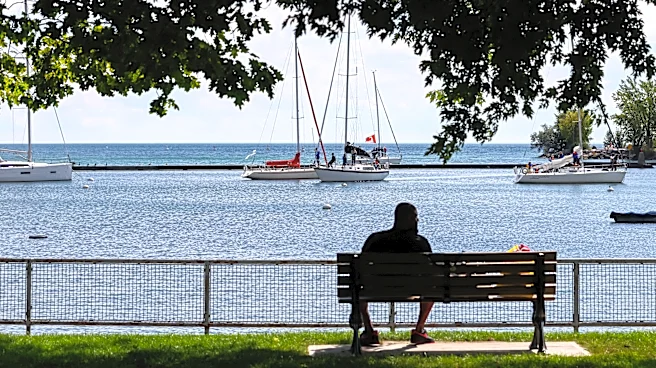
Hunters in New York's northern counties, specifically Jefferson, Lewis, St. Lawrence, and Franklin counties, have access to a wide array of public lands for hunting. These areas include Lake Ontario marshes, Tug Hill forests, St. Lawrence River wetlands,
working conservation-easement tracts, and large sections of the Adirondack Forest Preserve. The Department of Environmental Conservation (DEC) identifies these regions as popular for hunting white-tailed deer and black bear, with opportunities for small game such as ruffed grouse, snowshoe hare, and waterfowl. Hunters can utilize public parking areas, seasonal roads, trailheads, hiking trails, and boat or hand launches to access these interior areas. For those planning extended camps during big-game season, DEC permits may be available for stays beyond the ordinary time limits. Advance scouting is recommended for large areas like the Debar Mountain Wild Forest, where hunters should focus on specific drainages, road systems, or trailheads rather than treating the entire unit as a single destination. Key considerations for hunters include verifying if hunting is allowed on the entire property or only in designated areas, identifying the Wildlife Management Unit, locating legal parking, checking road accessibility during the season, and determining if permits or reservations are required. Downloading maps for offline use is crucial due to unreliable cellular service in the Tug Hill and Adirondack backcountry.
Why It's Important?
The availability of extensive public hunting grounds in New York's North Country is significant for several reasons. It supports recreational hunting, which is a long-standing tradition and a vital component of wildlife management in the U.S. These public lands provide accessible opportunities for a diverse range of hunters, from those pursuing big game like deer and bear to those interested in small game and waterfowl. This access helps to sustain local economies through spending on gear, lodging, and other services by hunters. Furthermore, regulated hunting plays a crucial role in population control of certain species, helping to maintain ecological balance and prevent overpopulation that could lead to habitat degradation or increased human-wildlife conflicts. The emphasis on understanding regulations, scouting, and preparing for unreliable cellular service highlights the importance of responsible and safe hunting practices, contributing to the overall conservation efforts and ensuring the sustainability of these natural resources for future generations. The varied landscapes, from marshes to forests, also underscore the rich biodiversity of the region and the diverse hunting experiences it offers.
What's Next?
Hunters planning to utilize these public lands will need to continue their due diligence by researching specific regulations for each area, including permit requirements and designated hunting zones. The DEC will likely continue to manage these lands, potentially updating regulations or access points based on wildlife populations, environmental conditions, and public feedback. Conservation efforts will remain ongoing, with a focus on balancing recreational use with ecological preservation. Hunters should anticipate the need for continued education on safe hunting practices and adherence to seasonal limits. The reliance on offline maps suggests a continued need for hunters to be self-sufficient and prepared for remote conditions. Local communities and businesses in Jefferson, Lewis, St. Lawrence, and Franklin counties can expect continued economic activity driven by hunting tourism, particularly during peak seasons. Future developments might include further initiatives to improve access, provide more detailed mapping resources, or adjust hunting quotas to adapt to changing wildlife patterns and environmental factors.
Beyond the Headlines
Beyond the immediate recreational and economic benefits, the extensive public hunting grounds in New York's North Country reflect a broader commitment to public land access and conservation. These lands serve as critical habitats for numerous species, and their management involves a complex interplay of ecological science, public policy, and community engagement. The act of hunting itself, when conducted responsibly, can foster a deeper connection between individuals and the natural environment, promoting an understanding of ecosystems and the importance of conservation. The challenges of unreliable cellular service in remote areas also highlight a growing societal reliance on technology and the need for traditional outdoor skills and preparedness. Furthermore, the existence of such vast public lands underscores the ongoing debate and balance between resource utilization and preservation, a fundamental aspect of environmental stewardship in the U.S. The diverse types of land available, from wetlands to forests, also showcase the varied conservation strategies employed to protect different ecosystems and the species they support.