
What's Happening?
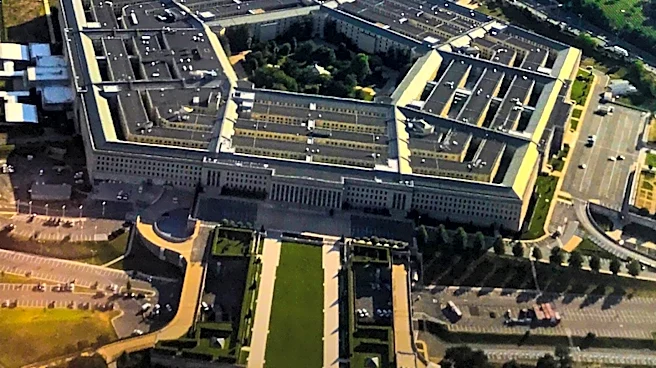
The U.S. Department of Defense has signed a five-year contract, valued at approximately $6.3 billion, with Raytheon for the continuous production of Standard Missile-3 Block IB interceptors. This agreement
includes an option for a two-year extension. The SM-3 Block IB interceptors utilize hit-to-kill technology to destroy targets through direct impact. Raytheon President Phil Jasper stated that the SM-3 Block IB interceptor has demonstrated its operational effectiveness in combat. The majority of the production will take place at Raytheon facilities in Tucson, Arizona, and Huntsville, Alabama. This contract is one of five framework agreements signed between Raytheon and the Pentagon in February, aiming to prevent the depletion of munitions stockpiles. The SM-3 Block IB variant is operational from both land-based installations and naval warships, frequently deployed on naval vessels due to its extended operational range and flexible maneuvering capabilities. It tracks airborne targets using an advanced two-color infrared seeker and propels itself with short pulses for high precision.
Why It's Important?
This significant contract underscores the U.S. Department of Defense's commitment to maintaining and replenishing its missile defense capabilities, particularly in response to evolving global threats. The continuous production of SM-3 Block IB interceptors is crucial for defending U.S. forces, allies, and critical infrastructure. The contract's value and duration highlight the long-term strategic importance of these interceptors in U.S. national security. The operational use of SM-3 Block IB interceptors in 2024 to intercept Iranian missiles fired at Israel demonstrates their proven effectiveness in real-world combat scenarios. This replenishment effort directly addresses concerns raised by national security and foreign policy experts regarding the heavy expenditure of interceptors during conflicts, which could pose a strategic risk to U.S. defense capabilities in prolonged confrontations. The investment in domestic production facilities in Arizona and Alabama also supports U.S. manufacturing and job creation within the defense sector.
What's Next?
Raytheon will proceed with the continuous production of the SM-3 Block IB interceptors at its facilities in Tucson, Arizona, and Huntsville, Alabama, over the next five years, with a potential two-year extension. This steady supply will directly support the replenishment of layered missile defense stockpiles for the U.S. Navy, the Missile Defense Agency (MDA), and global partners. The Department of Defense will continue to monitor and manage its munitions stockpiles to ensure readiness against future threats. The proven operational relevance of the SM-3 Block IB interceptor in combat may lead to further integration and deployment in various U.S. and allied defense strategies. The ongoing production will also allow for potential technological advancements and upgrades to the interceptor system to keep pace with emerging threats.
Beyond the Headlines
The substantial investment in SM-3 Block IB interceptors reflects a broader strategic shift towards enhancing ballistic missile defense capabilities in an increasingly complex geopolitical landscape. The emphasis on 'hit-to-kill' technology highlights a preference for non-explosive interception methods, which can reduce collateral damage. The contract also signifies the critical role of private defense contractors like Raytheon in supporting national security objectives and maintaining technological superiority. The operational deployment of these interceptors in recent conflicts underscores the interconnectedness of global security, where U.S. defense assets are utilized to protect allies. This continuous investment in advanced missile defense systems could also influence the development and proliferation of similar technologies by other nations, potentially leading to an arms race in missile defense capabilities.