











What's Happening?
The U.S. Environmental Protection Agency (EPA) has proposed the sixth Unregulated Contaminant Monitoring Rule (UCMR 6), which mandates public water systems to monitor 30 unregulated contaminants from 2028 to 2030. This initiative aims to enhance understanding
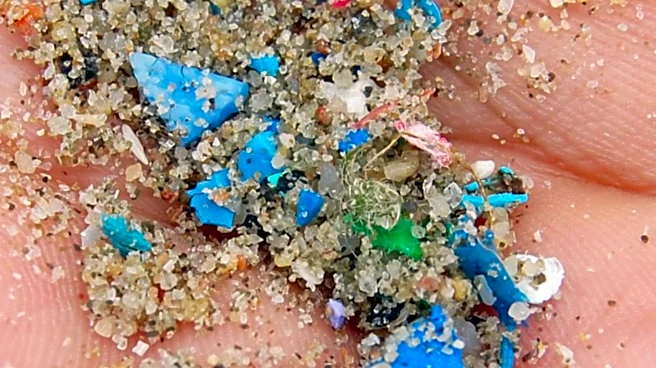
of these contaminants' presence in drinking water systems across the nation. Despite significant public interest and a petition from seven state governors, microplastics were not included in the monitoring list due to the absence of a validated analytical method that can consistently detect and characterize microplastics across laboratories. The EPA has, however, proposed adding microplastics to the draft Sixth Contaminant Candidate List (CCL 6) to support further research on their occurrence, health effects, and treatment technologies.
Why It's Important?
The exclusion of microplastics from the UCMR 6 monitoring list highlights a significant gap in the regulatory framework addressing emerging contaminants in drinking water. Microplastics are a growing concern due to their potential health impacts, yet the lack of standardized testing methods hinders regulatory action. The EPA's decision underscores the need for continued research and development of reliable analytical methods. This situation affects public health policy and the water industry, as utilities must prepare for future regulations that could arise once testing methods are standardized. The financial implications are also notable, with the program estimated to cost $33.7 million annually, impacting small utilities that rely on EPA support for laboratory analysis costs.
What's Next?
The EPA will continue collaborating with federal agencies, researchers, and standards organizations to develop validated methods for detecting microplastics. This collaboration is crucial for future inclusion of microplastics in national monitoring programs. Public comments on the proposed UCMR 6 rule are open until August 31, 2026, allowing stakeholders to influence the final decision. The outcome of these efforts could lead to the establishment of new monitoring requirements in subsequent UCMR cycles, potentially reshaping regulatory approaches to emerging contaminants in the U.S.