
What's Happening?
Chris Wright, the energy secretary under President Trump's administration, stated that U.S. gas prices might not drop below $3 per gallon until 2027. This comes amid soaring gas prices, which have reached
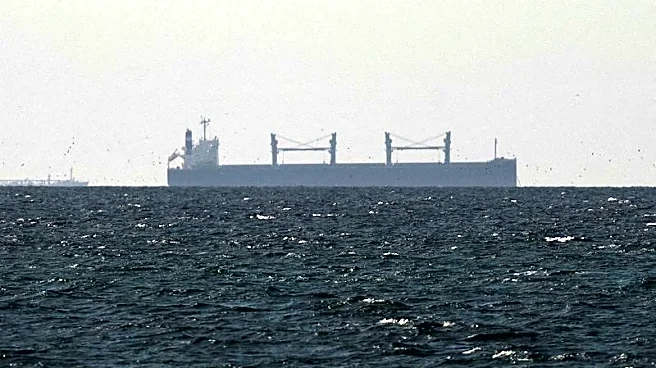
an average of $4 per gallon. The increase is attributed to geopolitical tensions, specifically the conflict involving the U.S., Israel, and Iran, which led to the closure of the Strait of Hormuz, a critical passage for global oil supply. Wright's comments were made during an interview with CNN's Jake Tapper, where he expressed uncertainty about when prices might decrease, suggesting it could happen later this year or next. Previously, Wright had indicated a possibility of prices dropping below $3 by summer, but his recent statements reflect a more cautious outlook.
Why It's Important?
The sustained high gas prices have significant implications for the U.S. economy and consumers. Elevated fuel costs contribute to increased expenses for transportation and goods, affecting household budgets and potentially slowing economic growth. The situation also poses a political challenge for President Trump, who campaigned on promises to reduce gas prices. Public dissatisfaction is evident, with a majority disapproving of the administration's handling of the situation. The ongoing conflict in Iran exacerbates these issues, as it disrupts oil supply chains and adds to global market volatility.
What's Next?
Future developments will depend on geopolitical resolutions, particularly the conflict involving Iran. A resolution could stabilize oil markets and potentially lead to a decrease in gas prices. Domestically, the administration may face pressure to implement policies that mitigate the impact of high fuel costs on consumers. Additionally, public and political scrutiny of the administration's energy policies is likely to intensify, influencing future policy decisions and electoral outcomes.