





What's Happening?
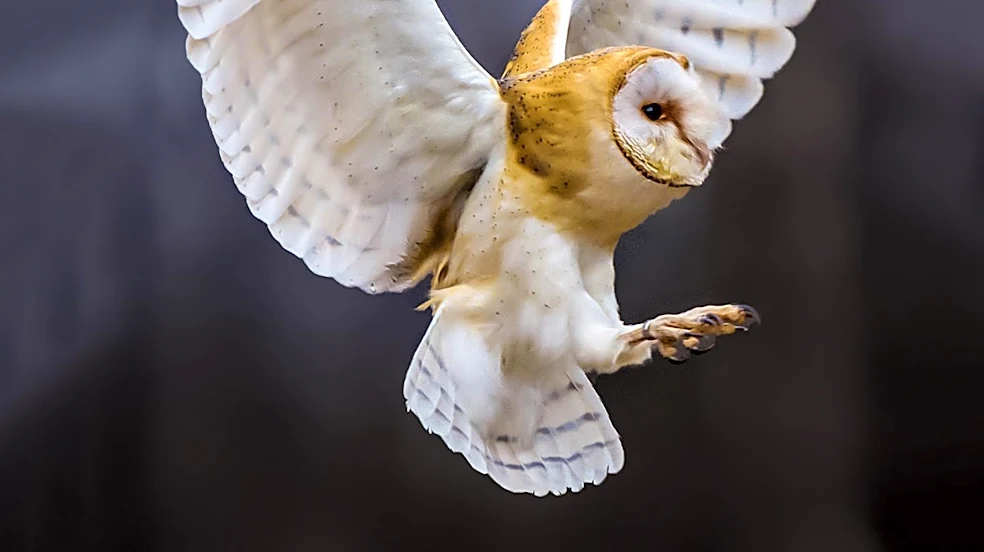
A family of barn owls has been discovered nesting in a water tower atop a building on Manhattan's Upper West Side, near Central Park. This marks the first documented instance of barn owls nesting in Manhattan in modern history, according to experts like
Andrew Farnsworth, a migration ecologist at the Cornell Lab of Ornithology. The discovery has drawn nightly crowds of onlookers and photographers eager to catch a glimpse of the elusive birds. David Barrett, a Manhattan-based birder who runs Manhattan Bird Alert, has observed at least one adult barn owl and five fledglings, with some photographers claiming to have seen six fledglings. Residents initially heard unusual screeching noises, which were later identified as the barn owls communicating. The New York City Department of Parks & Recreation notes that barn owl sightings are very rare in city parks, and their population has been declining.
Why It's Important?
This event is significant because it represents a rare and unprecedented natural occurrence in a highly urbanized environment like Manhattan. The presence of a breeding barn owl family indicates a potential, albeit localized, ecological shift or adaptation of wildlife to urban settings. It highlights the resilience of certain species and the unexpected pockets of biodiversity that can exist even in dense metropolitan areas. The public's enthusiastic response, with nightly gatherings to observe the owls, underscores a broader human interest in urban wildlife and conservation. This discovery could also draw attention to the importance of preserving green spaces and natural habitats within cities, as well as raising awareness about the declining barn owl population in New York State. The event provides a unique opportunity for urban residents to connect with nature and observe wildlife in their immediate surroundings.
What's Next?
The immediate future will likely see continued public interest and observation of the barn owl family. Birders and nature enthusiasts will monitor the owls' activities, particularly the fledglings' development and eventual departure from the nest. Local wildlife organizations and city authorities may increase efforts to protect the owls and their habitat, potentially implementing measures to ensure their safety and minimize disturbance from human activity. The event could also inspire further research into urban wildlife ecology and the factors that allowed these barn owls to successfully nest in Manhattan. There might be discussions about how to better integrate wildlife conservation into urban planning and development. The long-term implications will depend on whether this nesting event is an isolated incident or if it signals a potential for barn owls to establish a more regular presence in New York City.
Beyond the Headlines
The appearance of barn owls in Manhattan carries deeper implications beyond a simple wildlife sighting. It challenges conventional notions of where nature can thrive, suggesting that even the most built-up environments can harbor unexpected ecological richness. This event could foster a greater appreciation for urban biodiversity and encourage residents to look for and protect wildlife in their own communities. Ethically, it raises questions about human interaction with urban wildlife, particularly regarding the balance between observation and non-interference. The public's fascination with these owls, following similar interest in other urban birds like Flaco the Eurasian eagle-owl and Pale Male the red-tailed hawk, points to a cultural yearning for connection with the natural world amidst urban life. This phenomenon could also highlight the impact of human activities, such as rodent control, on urban ecosystems, as concerns about owls consuming poisoned rats have been raised. Ultimately, this rare occurrence serves as a reminder of nature's adaptability and its persistent presence, even in the heart of a concrete jungle.