

What's Happening?
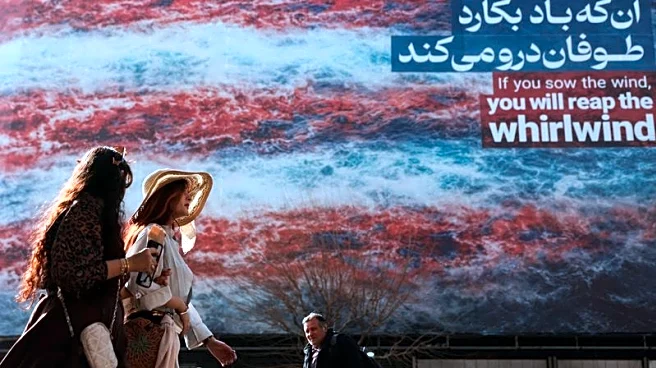
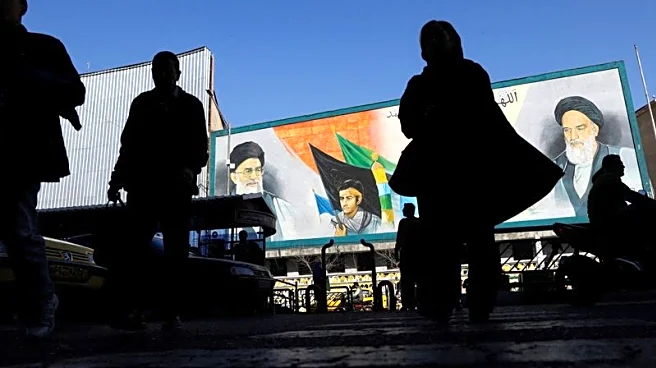
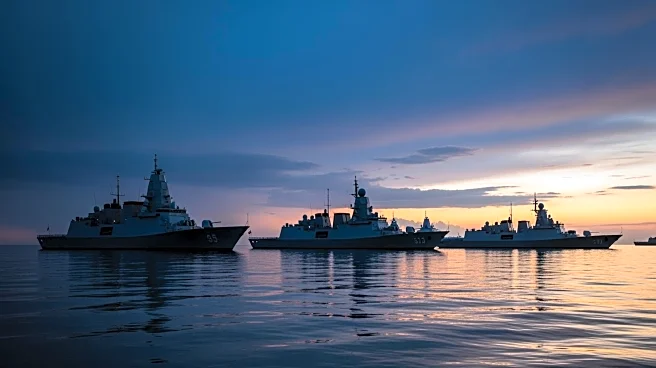
The Pentagon is preparing for a potential prolonged conflict with Iran as President Trump escalates threats against the country. The U.S. military has amassed significant forces in the Middle East, with plans for a range of military options, including
targeted strikes and regime change efforts. The situation follows last year's U.S. strike on Iran's nuclear facilities and subsequent ceasefire. The current military buildup is the largest in the region in two decades, signaling a serious commitment to addressing perceived threats from Iran.
Why It's Important?
The potential for a prolonged conflict with Iran has significant implications for U.S. foreign policy and regional stability in the Middle East. A military confrontation could lead to broader geopolitical tensions, affecting global oil markets and international security. The situation highlights the complexities of U.S.-Iran relations and the challenges of negotiating nuclear agreements. The military buildup also raises questions about the potential for escalation and the impact on U.S. military resources and personnel.
What's Next?
If military action is taken, it could lead to significant escalation in the region, potentially involving other countries. The U.S. and Iran may continue diplomatic efforts to reach a resolution, but the window for negotiation appears to be narrowing. The international community will likely monitor the situation closely, with potential responses from allies and adversaries shaping the geopolitical landscape.