



What's Happening?
The escalation of conflict in the Strait of Hormuz has led to a significant increase in diesel and gasoline prices across the United States. According to the U.S. Energy Information Administration (EIA), the national average on-highway diesel price rose
by 34 cents to $5.134. This increase comes as tensions between the U.S. and Iran have resumed, following a period of peace talks that had previously stabilized fuel prices. The conflict has resulted in renewed military actions and heightened concerns over global oil supply, pushing fuel prices back to levels seen at the start of the Iran war in February.
Why It's Important?
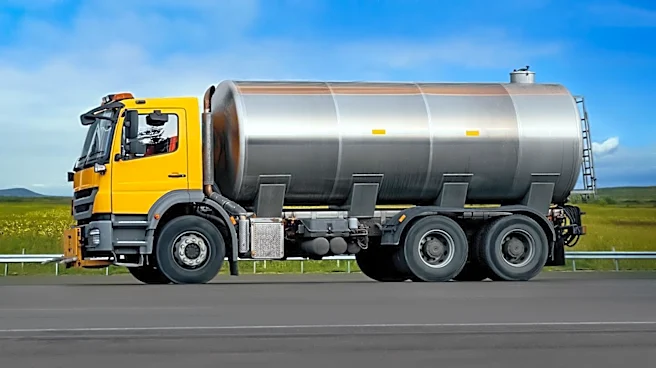
The rise in fuel prices is placing additional financial pressure on U.S. fleets and transportation sectors, which rely heavily on diesel. Higher fuel costs can lead to increased operational expenses for businesses, potentially resulting in higher prices for goods and services. This situation underscores the vulnerability of global oil markets to geopolitical tensions, particularly in critical regions like the Strait of Hormuz, a vital passage for oil shipments. The impact is felt across various U.S. regions, with the Gulf Coast experiencing the largest price jump.
What's Next?
If tensions in the Middle East persist, fuel prices may continue to rise, further straining the U.S. economy. Stakeholders in the transportation and logistics industries may need to explore alternative strategies to mitigate costs, such as fuel surcharges or efficiency improvements. Additionally, ongoing geopolitical developments will be closely monitored by policymakers and industry leaders to assess potential impacts on energy security and economic stability.