







What's Happening?
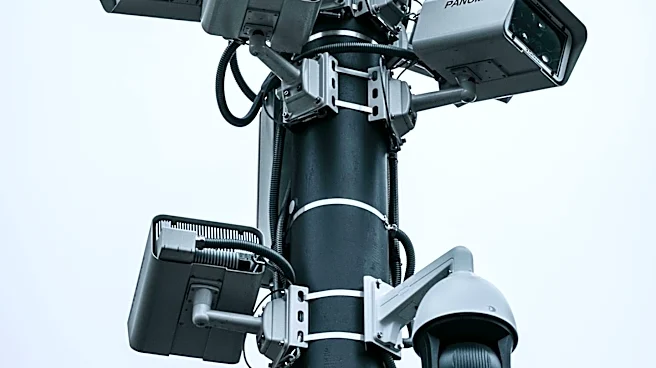
The Oklahoma City Police Department (OKCPD) has introduced new cybersecurity measures for its 90 Flock cameras following public privacy concerns and a recent contract renewal worth $270,000. According to Ron Vaughn, a cybersecurity expert from EMSCO Solutions,
the department has made 'bold strides' to enhance data security. Key changes include disabling national data sharing by default, meaning access by other state or federal agencies now requires explicit approval from OKCPD. Additionally, data retention has been reduced from 30 days to 7 days, with longer storage only permitted for active investigations. Vaughn also noted that the system now includes multi-factor authentication and manual log reviews every 30 days to detect unusual behavior. These updates come after instances of inappropriate camera use within the police department were confirmed.
Why It's Important?
The implementation of these new safeguards is a direct response to significant public and council concerns regarding privacy and potential misuse of surveillance technology. The previous default national data sharing raised alarms about broad access to citizen data, and its restriction now provides a crucial layer of protection against unwarranted external access. Shortening data retention periods significantly limits the amount of time personal data is stored, reducing the risk of data breaches and misuse. The introduction of multi-factor authentication and regular log reviews are standard cybersecurity practices that enhance accountability and make unauthorized access more difficult. These changes are vital for rebuilding public trust in the OKCPD's use of surveillance technology, especially after confirmed instances of inappropriate use within the department highlighted the need for stricter controls and oversight.
What's Next?
While cybersecurity expert Ron Vaughn acknowledges the improvements, he cautions that no system is 100% secure, emphasizing that 'anything can be hacked.' This suggests ongoing vigilance will be necessary to maintain the integrity of the Flock camera system. The OKCPD will need to consistently enforce the new protocols, including the approval process for data sharing and regular log reviews, to ensure compliance and prevent future misuse. Public scrutiny of the camera system is likely to continue, and the department may face further calls for transparency regarding data access and usage. The effectiveness of these new safeguards in preventing future incidents of inappropriate use and addressing privacy concerns will be closely monitored by both the community and city officials.
Beyond the Headlines
The controversy surrounding Flock cameras in Oklahoma City reflects a broader national debate about the balance between public safety and individual privacy in the age of pervasive surveillance technology. The initial 'Wild West' approach to data sharing and retention, as described by Vaughn, highlights the rapid deployment of such technologies often outpacing the development of robust privacy policies and security measures. The city council's decision to renew the contract despite public outcry, followed by the implementation of these safeguards, illustrates the complex political and ethical tightrope local governments walk. This situation underscores the critical need for proactive policy-making and continuous oversight when adopting new technologies that collect sensitive public data, emphasizing that technological advancement must be paired with strong ethical frameworks and accountability mechanisms to maintain public trust and protect civil liberties.