




What's Happening?
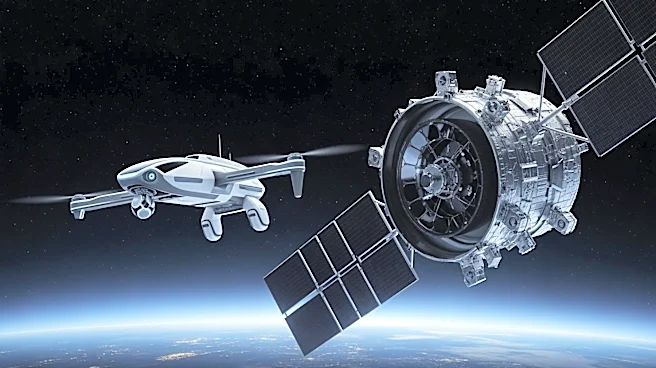
Astroscale, a Japanese company focused on sustainable space use, has announced a pioneering mission named In-situ Space Situational Awareness-Japan 1 (ISSA-J1), set to launch in 2027. This mission aims to inspect multiple inactive satellites in different
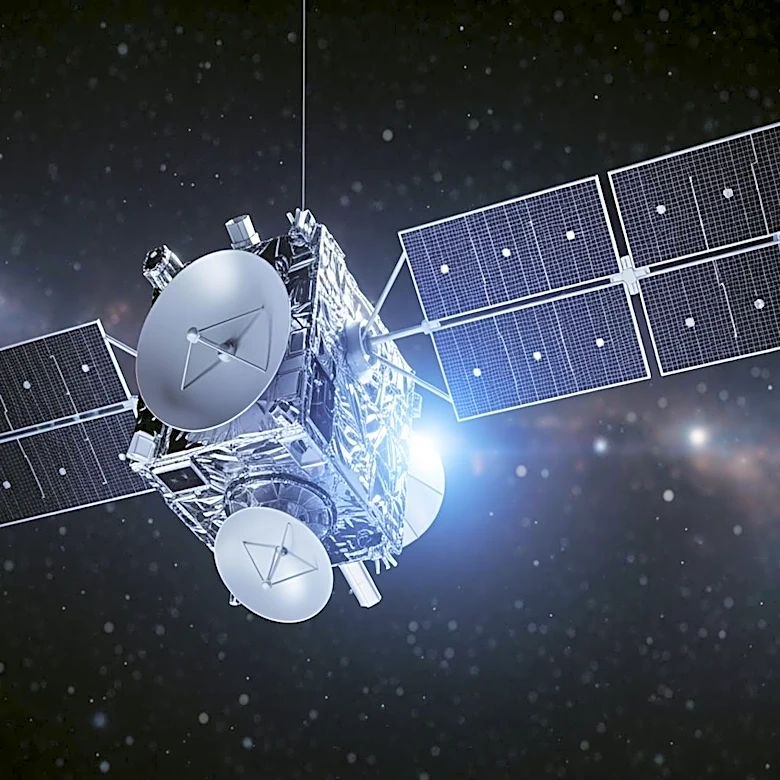
orbits, marking a world-first endeavor. The spacecraft, weighing approximately 650 kilograms, will be equipped with propulsion systems and visual observation tools to conduct detailed inspections of the satellites. The mission will initially target two Japanese satellites, ALOS and ADEOS-II, which have completed their operational missions but remain in orbit. ALOS, launched in 2006, lost power in 2011 and orbits at about 691 kilometers, while ADEOS-II, launched in 2002, ceased operations due to a solar panel malfunction and orbits at approximately 806 kilometers. The mission is supported by Japan's Ministry of Education, Culture, Sports, Science and Technology and is part of a broader strategy to enhance space environment control and on-orbit servicing operations.
Why It's Important?
The ISSA-J1 mission represents a significant step forward in space sustainability and satellite management. By inspecting inactive satellites, Astroscale aims to gather critical insights into their conditions, which cannot be obtained from ground-based systems. This information is crucial for understanding satellite failures and preparing for future servicing missions. The mission also aligns with global efforts to manage space debris, a growing concern as the number of satellites in orbit increases. Successful execution of this mission could pave the way for more comprehensive on-orbit servicing operations, potentially extending the lifespan of satellites and reducing the need for new launches. This could lead to cost savings for satellite operators and contribute to a more sustainable space environment.
What's Next?
Following the ISSA-J1 mission, Astroscale plans to launch another mission, ELSA-M, aimed at demonstrating space debris removal technologies. This mission, scheduled for no earlier than 2027, will be conducted in collaboration with the German company Isar Aerospace. These initiatives are part of a broader effort to develop effective systems for servicing and managing satellites directly in orbit. The success of these missions could influence international policies on space debris management and encourage other countries to invest in similar technologies. Additionally, the data collected from these missions could inform future satellite design and operational strategies, further enhancing the sustainability of space activities.