





What's Happening?
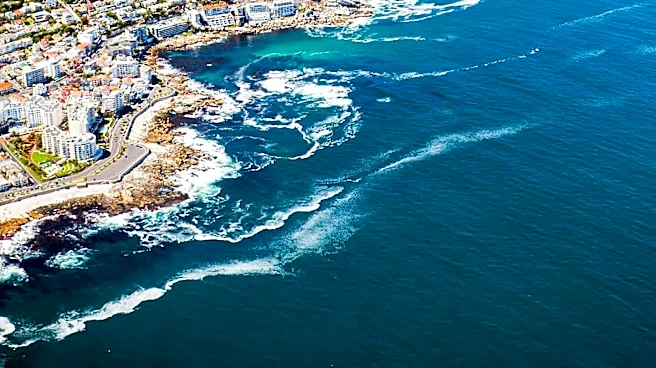
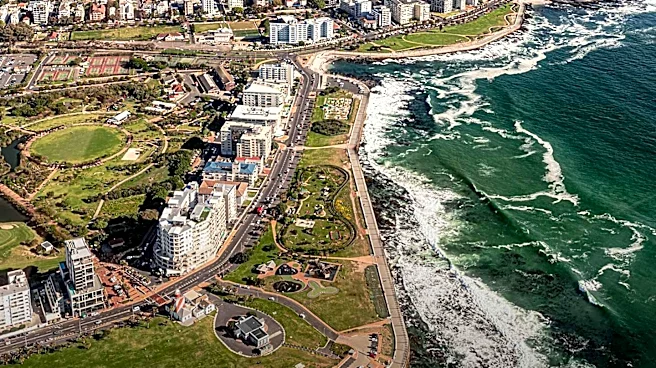
Cape Town has been recognized as one of the world's top three most desirable cities for travelers, securing the bronze award at the 2026 Wanderlust Reader Travel Awards. This marks an improvement from its fourth-place ranking in 2025. The city was celebrated
for its blend of natural beauty, cultural heritage, and diverse experiences, including iconic landmarks like Table Mountain and its coastline, as well as historical sites such as Robben Island and District Six. The awards, organized by British travel magazine Wanderlust, saw over 8.2 million votes cast across various categories. South Africa as a nation also received significant accolades, placing third in the Most Desirable Country category and winning the gold award for Most Desirable Destination for Nature and Wildlife, highlighting its diverse wildlife experiences from Kruger National Park to the Kalahari and iSimangaliso wetlands. These recognitions were announced at a ceremony in London, which included a keynote address by Prince Harry, the Duke of Sussex, focusing on responsible tourism.
Why It's Important?
This international recognition significantly boosts Cape Town's and South Africa's tourism industry, attracting more international travelers and potentially increasing foreign exchange earnings. The improved ranking for Cape Town, alongside South Africa's awards for nature and wildlife, enhances the country's global appeal as a premier travel destination. This can lead to job creation within the tourism sector, which is a significant contributor to employment, sustaining around 300,000 jobs in South Africa. The focus on community-based offerings and immersive cultural tourism, as outlined in Cape Town's revised Tourism Development Framework, suggests a strategic effort to diversify tourism products and ensure broader economic benefits. The increased visibility and prestige can also encourage further investment in tourism infrastructure and services, benefiting local businesses and communities.
What's Next?
Cape Town's tourism sector is expected to leverage this international recognition to further promote the city and its diverse offerings. The City of Cape Town's Tourism Development Framework (TDF) emphasizes creating more community-based and immersive cultural tourism experiences, aiming to transform the tourism landscape and ensure wider community involvement and economic benefits. Efforts will likely continue to educate scholars on the importance of the tourism sector and encourage it as a career path. Additionally, ongoing campaigns will promote affordable tourism options to make the city accessible to a broader range of visitors. The continued focus on sustainable job creation and supporting 'tourism-preneurs' indicates a long-term strategy to capitalize on the city's growing appeal.
Beyond the Headlines
The rising popularity of Cape Town and South Africa as tourist destinations also brings to light deeper implications, such as the potential for gentrification. As more international visitors and residents are drawn to the city, areas like the Waterfront, Green Point, and Sea Point are experiencing increased congestion and development. This growth, while economically beneficial, poses challenges for urban planning, particularly concerning public transport infrastructure. The emphasis on community-based tourism and cultural immersion, as part of the TDF, suggests an awareness of the need to balance economic development with preserving local culture and ensuring equitable distribution of tourism benefits. The recognition of historical sites like Robben Island and District Six also underscores the importance of cultural heritage tourism in fostering understanding and remembrance.