







What's Happening?
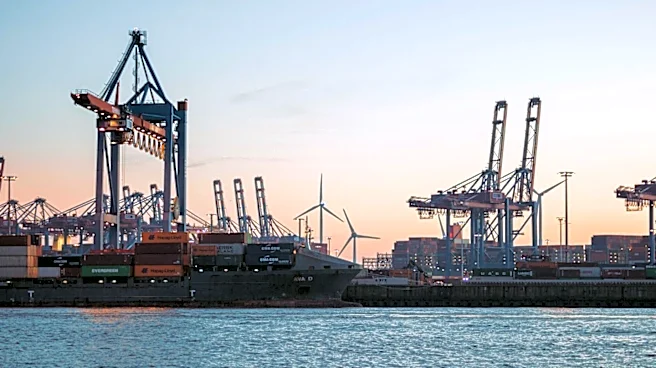
President Donald Trump has reversed his proposal to impose a 20% fee on cargo passing through the Strait of Hormuz. Initially intended to reimburse the U.S. for costs associated with reinstating a blockade and ensuring safe passage, the fee faced significant
opposition from global shipping companies and political figures. Trump announced the reversal on Truth Social, citing productive discussions with Middle Eastern leaders. Instead of the fee, Trump plans to pursue trade and investment deals with Gulf States. The proposal had raised concerns about compliance with international law, as Secretary of State Marco Rubio noted that international waterways should not have tolls or fees imposed.
Why It's Important?
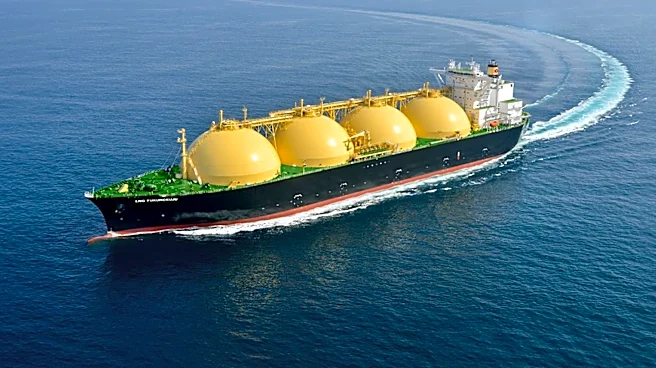
The reversal of the cargo fee proposal is significant for global trade and diplomatic relations. The Strait of Hormuz is a critical chokepoint for oil transportation, and any additional costs could have disrupted global shipping and increased oil prices. The decision to pursue trade and investment deals instead reflects a shift towards diplomatic engagement rather than unilateral economic measures. This move may stabilize relations with Gulf States and maintain the flow of commerce through the strait, benefiting international shipping companies and oil markets. The situation also highlights the complexities of international maritime law and the importance of adhering to established norms.
What's Next?
Following the reversal, the U.S. may engage in further diplomatic negotiations with Gulf States to solidify trade and investment agreements. These discussions could lead to new economic partnerships and investments in the U.S. economy. Additionally, the international community will likely continue to monitor the situation in the Strait of Hormuz, as any future proposals affecting this vital trade route could have widespread implications. Stakeholders, including shipping companies and oil producers, will remain vigilant to ensure that trade flows remain uninterrupted.