




What's Happening?
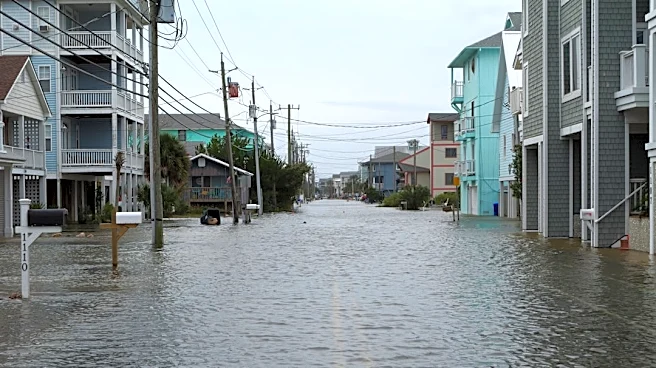
Norfolk, Virginia, is experiencing tidal flooding as strong northeast winds push water into the Chesapeake Bay, coinciding with a period of higher astronomical tides. Residents in neighborhoods such as Larchmont, Colonial Place, and the NEON District
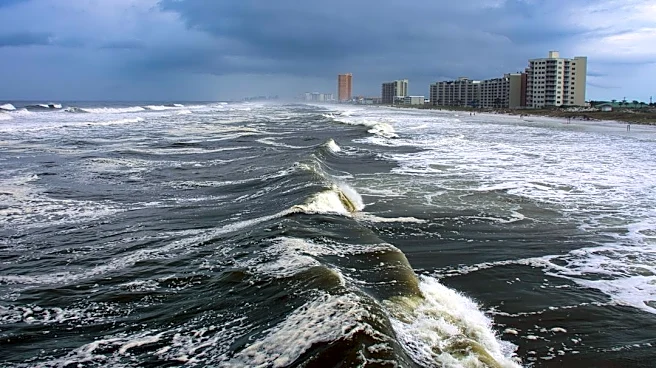
have reported flooded streets, with water reaching homes in some areas. Michelle Rhodes, a Larchmont resident, observed water reaching the second step of her house. Despite the current flooding, Rhodes noted that a flood protection project implemented last October, involving a berm, has significantly reduced the impact compared to previous storms, keeping floodwaters approximately 40 feet farther back. In Ocean View, residents witnessed unusually high waves and a completely submerged beach, an intensity not typically seen without a direct hurricane impact. Jessica Whitehead, from Old Dominion University, explained that the timing of this early-season nor'easter combined with king tide season, influenced by the approaching full moon, is exacerbating the flooding, primarily due to wind-driven water rather than heavy rainfall.
Why It's Important?
This event underscores the persistent challenge of tidal flooding in coastal cities like Norfolk, which is particularly vulnerable due to its low elevation and proximity to the Chesapeake Bay. The effectiveness of the Larchmont berm project highlights the critical role of infrastructure investments in mitigating flood damage and protecting communities. Such projects can save property, reduce displacement, and maintain essential services, demonstrating a tangible return on investment in climate adaptation. Conversely, the severe conditions in Ocean View, where the beach was entirely submerged, illustrate the limits of existing protections and the increasing intensity of coastal events. The health warnings regarding contaminated floodwaters, including the presence of Vibrio vulnificus bacteria, emphasize the public health risks associated with these events, impacting residents' safety and potentially straining healthcare resources. The economic implications include property damage, disruption to daily life, and the need for ongoing investment in resilience measures.
What's Next?
Residents in Norfolk are advised to continue monitoring updated forecasts, tide predictions, and local road conditions as the coastal weather event progresses, with particular concern for the evening high tide. Authorities will likely focus on managing traffic, assisting residents, and ensuring public safety, especially by warning against driving or walking through floodwaters due to potential vehicle damage and health risks. Post-event, there will be assessments of property damage and the overall effectiveness of existing flood protection measures. This event may also prompt further evaluation of Norfolk's long-term flood resilience strategies, potentially leading to additional infrastructure projects or policy changes to better prepare for future tidal and storm surge events. Community efforts, such as neighbors assisting each other, are expected to continue as residents navigate the immediate aftermath of the flooding.
Beyond the Headlines
The ongoing struggle with tidal flooding in Norfolk, even with protective measures in place, reflects a broader national challenge for coastal communities facing rising sea levels and more intense weather patterns. The adaptation strategies employed by residents, such as knowing where to park and helping neighbors, illustrate a form of community-level resilience that complements official infrastructure projects. The scientific explanation of the combined effects of nor'easters and king tides provides a clearer understanding of the complex factors driving these events, emphasizing that it's not just rainfall but also wind and astronomical forces at play. The health risks associated with floodwaters, often overlooked, highlight the need for comprehensive public health campaigns during and after such events. This situation serves as a microcosm of the larger climate adaptation imperative, where a combination of engineering solutions, community preparedness, and public awareness is essential for safeguarding vulnerable coastal populations and their economies.