
What's Happening?
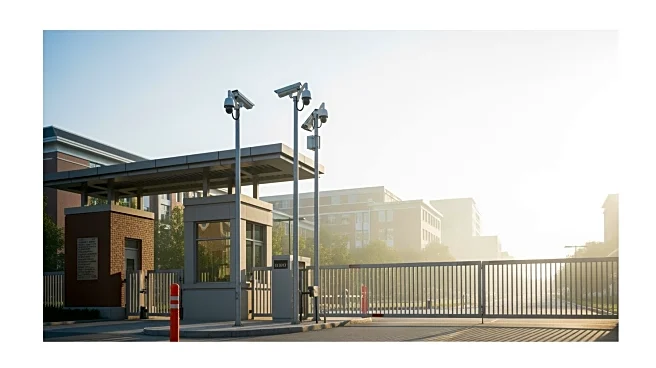
The University of Utah has introduced a comprehensive new public safety framework aimed at improving campus security and preparedness. This initiative, announced by campus safety officials and ASUU Student
Body President Alex Rose, includes the development of new tools and training programs. A key component is the active threat training, which is mandatory for faculty and staff and may become a requirement for students. The training focuses on practical decision-making and emotional responses during critical incidents. Additionally, the university has launched an online crime dashboard and community crime maps to provide detailed and current information on crime trends. These efforts are part of a broader strategy to enhance communication and response times, addressing student concerns about the clarity and speed of information dissemination during incidents.
Why It's Important?
The implementation of this new safety framework is significant as it addresses ongoing concerns about campus security and communication. By improving transparency and preparedness, the University of Utah aims to create a safer environment for students, faculty, and staff. The initiative reflects a proactive approach to preventing violence and ensuring readiness in the event of an incident. Enhanced communication protocols and the use of data tools are expected to reduce confusion and anxiety during emergencies, ultimately fostering a more secure campus atmosphere. This framework could serve as a model for other institutions, potentially influencing campus safety policies across the state.
What's Next?
The University of Utah plans to roll out the new safety framework in phases over several years. As part of this process, university officials will continue to collaborate with student leaders and safety experts to refine and implement the framework's 20 action areas. The university also intends to share elements of the framework with other institutions, promoting a broader adoption of these safety measures. Ongoing feedback from students and faculty will be crucial in shaping the framework's evolution, ensuring it meets the community's needs and effectively addresses safety concerns.