






What's Happening?
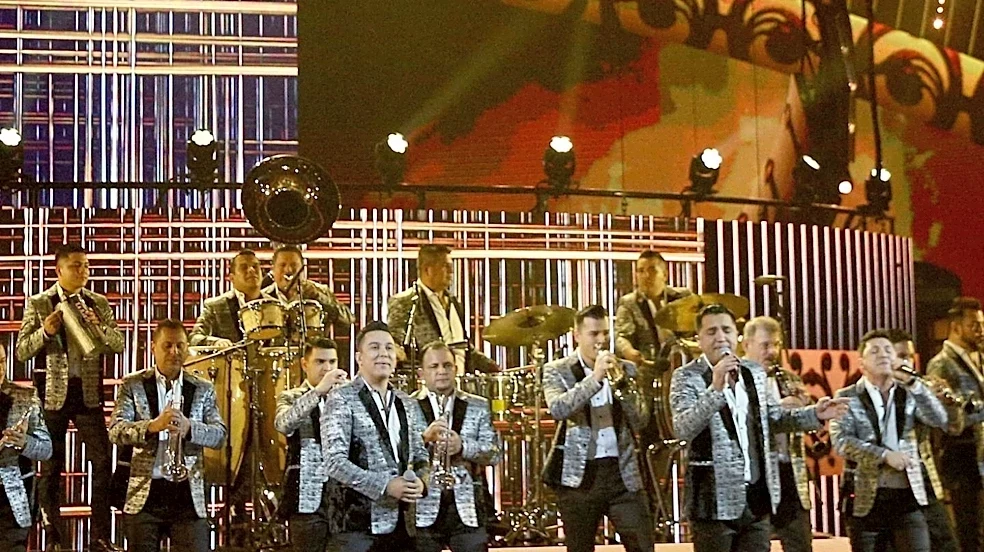
The 18th annual HBCU Experience, hosted by Lula B. Sherman United Methodist Church in Evanston, featured a performance by the renowned Fisk University Choir. The event, held on October 16, also included the presentation of the annual Isibani awards, which
recognize individuals who serve as 'beacons of light' in the Evanston community. Over 200 attendees filled the church pews for the evening of song and recognition. Retired newscaster Derrick Blakley set the tone for the event. The Fisk University Choir, under the direction of Assistant Music Director Andrew Davis, performed a repertoire that included hymns, filling the auditorium with enthusiastic music. The Isibani awards honored several community members for their contributions, including Janet Alexander Davis for youth and civil rights advocacy, retired Cook County Judge Lionel Jean-Baptiste for championing reparations and minority-owned businesses, and Rev. Eileen Wiviott for her stewardship of the Unitarian Church of Evanston and Interfaith Action. Former Evanston mayor Stephen Hagerty and his wife Lisa Altenbernd received a stewardship award for their philanthropic efforts. Trina Haley McMillan was recognized with the business leadership award, and the Fulce family for their commitment to education. Jeffrey Hardy received the Arts Excellence award for his contributions as a music educator and musician.
Why It's Important?
This event highlights the enduring cultural and community significance of Historically Black Colleges and Universities (HBCUs) and their associated traditions, such as the Fisk University Choir. The annual HBCU Experience serves as a platform to celebrate Black artistic heritage and foster community engagement. The Isibani awards underscore the importance of local leadership and service, recognizing individuals who have made substantial contributions to civil rights, community development, business, and the arts within Evanston. Such events reinforce community bonds, promote cultural understanding, and inspire future generations by showcasing positive role models and collective achievements. The recognition of diverse community leaders, from former mayors to educators and judges, demonstrates a commitment to acknowledging broad-based contributions that strengthen the social fabric of the region. The event also provides a venue for intergenerational connection and the preservation of cultural legacies.
What's Next?
While the immediate event has concluded, the impact of the HBCU Experience and the Isibani awards is likely to resonate within the Evanston community. Award recipients may continue their work with renewed recognition, potentially inspiring others to engage in similar community service and leadership roles. The Fisk University Choir's performance may encourage further cultural exchanges and performances in the area, fostering greater appreciation for HBCU traditions. Lula B. Sherman United Methodist Church will likely continue its tradition of hosting community-focused events, building on the success of this year's gathering. The recognition of philanthropic efforts and business leadership could also stimulate further charitable giving and economic development initiatives within Evanston. Future events may seek to expand their reach or introduce new elements to continue engaging the community and celebrating local achievements.
Beyond the Headlines
The annual HBCU Experience and Isibani awards reflect a deeper commitment to cultural preservation and community empowerment. The event serves as a vital mechanism for transmitting cultural heritage, particularly the rich musical traditions of HBCUs, to a broader audience. By honoring individuals who have dedicated their lives to service, the awards reinforce civic values and highlight the importance of local activism in addressing social and economic disparities. The intergenerational aspect, with recognition spanning different age groups and areas of contribution, underscores the continuous nature of community building. Furthermore, the event subtly promotes diversity and inclusion by celebrating the achievements of various community members, fostering a sense of collective identity and shared purpose. It also demonstrates how local religious institutions can play a central role in cultural programming and community recognition, extending their influence beyond spiritual guidance to civic engagement.