






What's Happening?
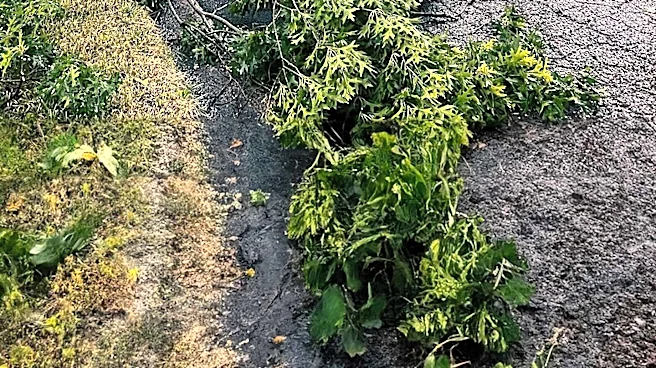
Cook County Board President Toni Preckwinkle announced an additional $8 million allocation to continue debris removal efforts in south suburban areas severely impacted by August storms. Approximately 100,000 cubic yards of debris have already been cleared.
The funding, sourced from the county’s disaster relief fund and other county resources, is intended to assist municipalities in covering the costs of cleanup crews and companies. The August 11 storms brought destructive straight-line winds and three EF-1 tornadoes to several towns, including Tinley Park, Orland Park, Country Club Hills, Homewood, Flossmoor, and Glenwood. Cook County Emergency Management Services Executive Director Alexander Joves noted that while significant progress has been made, substantial work remains, particularly for smaller municipalities whose resources are often overwhelmed by such large-scale damage. Homewood Mayor Rich Hofeld reported over 1,500 trees downed in his area alone.
Why It's Important?
This additional funding is crucial for the recovery of south suburban Cook County communities, many of which are still grappling with the aftermath of the severe August storms. The scale of debris, particularly downed trees, has exceeded the capacity of many smaller municipalities, impacting public safety, infrastructure, and the environment. The county's investment ensures that these communities can continue to clear debris, which is essential for restoring normalcy, preventing further hazards, and preparing for future weather events. It also highlights the financial burden that natural disasters place on local governments and the importance of inter-governmental support. The ongoing cleanup and eventual reforestation efforts will have long-term environmental and aesthetic impacts on the affected areas, underscoring the need for sustained commitment and resources.
What's Next?
Cleanup efforts are expected to continue, with the new $8 million allocation directly supporting municipalities in hiring necessary personnel and equipment. Homewood Mayor Rich Hofeld indicated that the removal of stumps and branches will extend through the winter and spring, with reforestation planned for late next year or 2028, requiring substantial funding. Cook County Emergency Management Services is also evaluating its current debris management operations to identify improvements for future disaster preparedness. Furthermore, a request for a federal major disaster declaration, submitted by the governor and state agency, is currently pending. If approved, this could unlock additional federal aid, further assisting the affected communities in their recovery and rebuilding efforts.
Beyond the Headlines
The severe August storms and the subsequent extensive debris in Cook County underscore the increasing frequency and intensity of extreme weather events, which are becoming a significant challenge for urban and suburban areas. Beyond the immediate cleanup, the incident raises questions about urban forestry management, infrastructure resilience, and community preparedness for climate-related disasters. The long-term process of reforestation, as mentioned by Mayor Hofeld, highlights the ecological and community-building aspects of recovery, emphasizing the importance of sustainable practices in rebuilding. The pending federal disaster declaration also points to the complex interplay between local, state, and federal governments in disaster response and funding, revealing potential gaps or delays in aid that can prolong community suffering and recovery times.