




What's Happening?
The International Finance Corporation (IFC), the private-sector arm of the World Bank, has canceled a $20 million loan intended for the Brazilian animal feed company Grupo Agronorte. This decision came after significant opposition from the Apinajé Indigenous
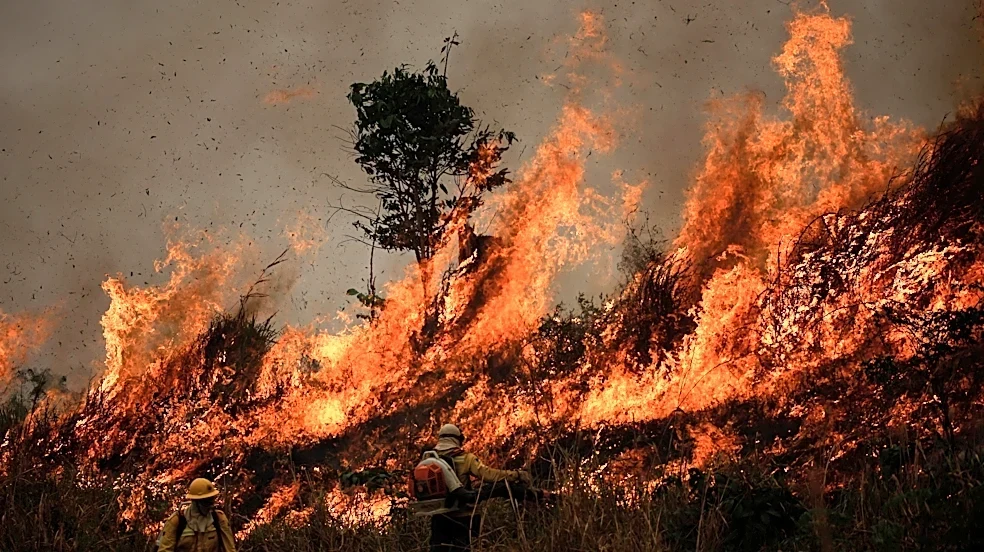
community and various civil society organizations, including those involved with the Stop Financing Factory Farming (S3F) campaign. The loan was meant to finance an animal feed factory. Indigenous leaders and activists raised concerns about the company's founder, Gilmar Gonçalves Carvalho, who has faced allegations of deforestation and land conflict on farms near Apinajé territory for over a decade. A federal lawsuit in Brazil alleged illegal clearing of approximately 2,000 hectares of forest in 2013, which the Apinajé leaders stated led to dwindling biodiversity, compromised traditional medicines, and polluted water sources. Despite this withdrawal, the IFC is proposing a separate $100 million investment in Agricola Alvorada, another Brazilian company involved in industrial-scale soy and corn production for animal feed and biofuels, which has prompted similar concerns regarding its potential impact on Indigenous Peoples and ecosystems.
Why It's Important?
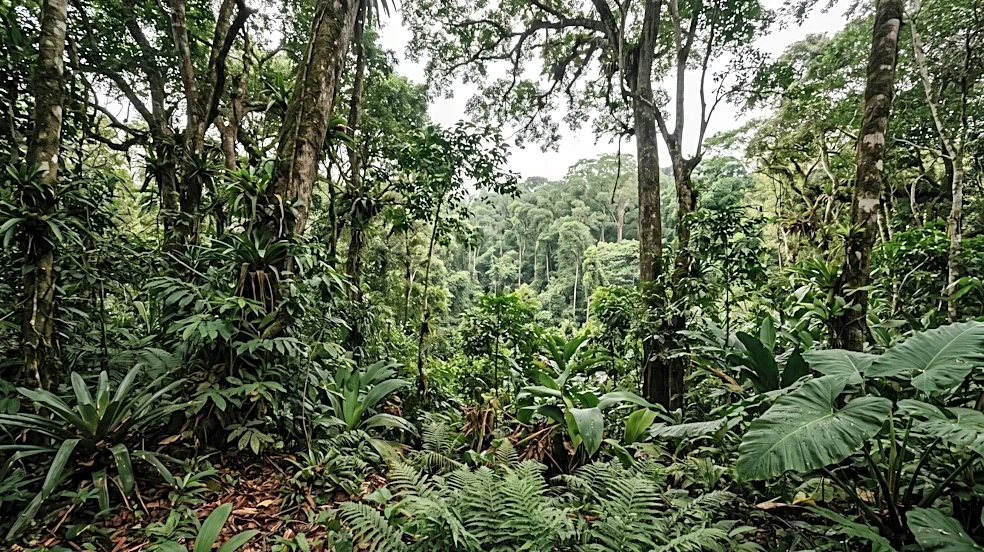
This withdrawal sets a significant precedent in the ongoing global movement against financing factory farming and highlights the increasing influence of Indigenous communities and civil society in holding international financial institutions accountable. The decision underscores the growing recognition that development finance institutions must systematically address environmental and social risks, rather than on a project-by-project basis. The Apinajé community's successful mobilization demonstrates the power of grassroots activism in challenging large-scale industrial projects that threaten traditional lands and livelihoods. The broader implications extend to the environmental impact of animal agriculture, which is responsible for approximately 19% of global greenhouse gas emissions. This event signals a potential shift in how financial institutions evaluate investments, particularly those with direct or indirect links to deforestation, land conflicts, and human rights concerns, especially in ecologically sensitive regions like the Amazon and Cerrado biomes.
What's Next?
While the IFC's withdrawal from the Agronorte loan is a victory for the Apinajé community and environmental activists, the focus now shifts to the proposed $100 million investment in Agricola Alvorada. Civil society organizations and Indigenous communities will likely continue to monitor and challenge such investments, advocating for more rigorous due diligence and adherence to principles like free, prior, and informed consent (FPIC) for projects impacting Indigenous territories. The S3F campaign and similar groups will likely intensify their efforts to push for systemic changes in how the IFC and other development finance institutions assess and approve projects, particularly those related to industrial animal agriculture. This event may also encourage other banks and funders to scrutinize their investment portfolios more closely for environmental and social risks, potentially leading to a broader re-evaluation of financing for projects linked to deforestation and land conflicts.
Beyond the Headlines
This development reflects a deeper societal and ethical debate about the responsibilities of international financial institutions in promoting sustainable development and respecting human rights. It highlights the tension between economic growth driven by industrial agriculture and the preservation of biodiversity, traditional cultures, and environmental integrity. The case brings to light the complex interplay of global finance, local communities, and environmental justice. It also underscores the legal and ethical obligations of institutions like the IFC to adhere to international standards, such as ILO Convention 169, which requires free, prior, and informed consent from Indigenous communities for projects affecting their lands. The long-term implications could include a redefinition of 'development' to encompass ecological and social well-being alongside economic metrics, potentially leading to more stringent environmental and social safeguards in investment policies across the financial sector.