



What's Happening?
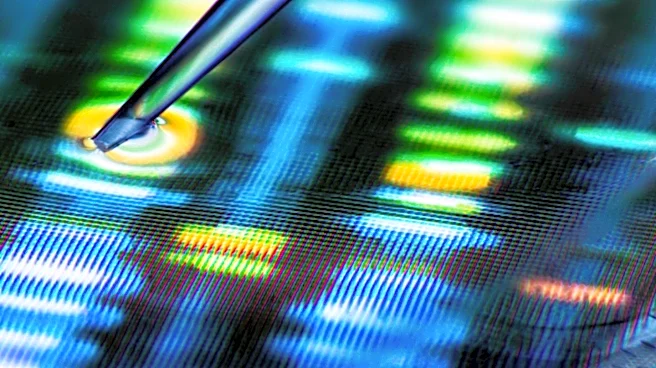
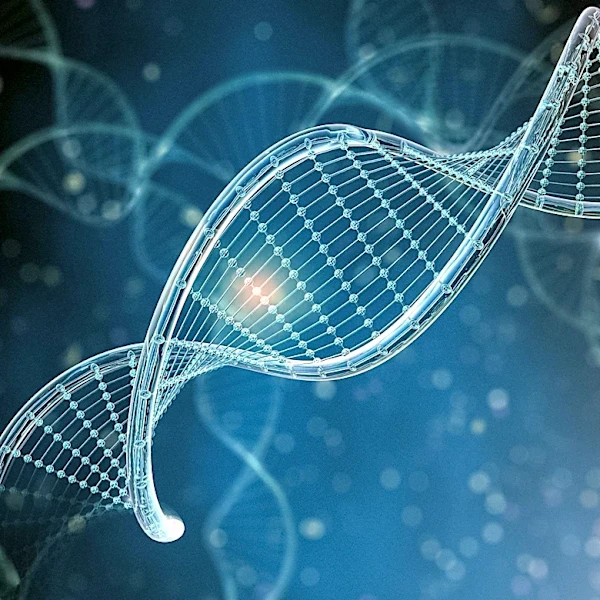
Recent scientific efforts are concentrating on understanding bioactive compounds derived from plants and microorganisms. This research aims to integrate advanced 'omics' technologies, such as genomics, transcriptomics, proteomics, and metabolomics, with
functional validation methods. The goal is to elucidate the roles of phytochemicals and microbial metabolites in various biological processes, including plant development, defense mechanisms, stress adaptation, and plant-microbe interactions. The initiative also encourages the application of Artificial Intelligence in the discovery and functional prediction of these metabolites. This comprehensive approach seeks to uncover the biotechnological applications of these natural products, which are known to regulate plant defense, signaling, adaptation, and ecological interactions. The research encompasses several sub-themes, including the study of bioactive compounds from medicinal and aromatic plants, biosynthetic pathways, microbial secondary metabolites, and their roles in sustainable agriculture and crop protection.
Why It's Important?
This research holds significant importance due to the vast biotechnological potential of plant and microbe-derived bioactive compounds. A deeper understanding of these natural products can lead to innovations in various sectors. For instance, in agriculture, these compounds could be harnessed for sustainable crop protection and enhanced plant resilience against stress, reducing reliance on synthetic chemicals. In medicine, the discovery of new bioactive compounds could pave the way for novel therapeutic agents. The integration of AI in this field is crucial as it can accelerate the discovery process and predict the functions of metabolites more efficiently, thereby reducing research timelines and costs. Furthermore, by elucidating the intricate mechanisms of plant-microbe interactions, this research can contribute to developing more robust and environmentally friendly solutions for various biological challenges, impacting global health, food security, and environmental sustainability.
What's Next?
Future developments in this area are expected to involve continued integration of multi-omics approaches with advanced analytical techniques to fully characterize the diverse range of bioactive compounds. There will likely be an increased focus on AI-driven discovery platforms to identify novel compounds and predict their biological activities with greater accuracy. Translational research will be key, aiming to move findings from laboratory settings to practical applications in agriculture, pharmaceuticals, and other industries. Collaborative efforts between academic institutions, research organizations, and industry partners are anticipated to accelerate the development and commercialization of products derived from these bioactive compounds. Additionally, research will likely explore the ecological implications of these compounds, understanding their broader impact on ecosystems and biodiversity.
Beyond the Headlines
Beyond the immediate applications, this research delves into fundamental biological questions about how organisms interact with their environment and adapt to stress. The study of plant-microbe interactions, in particular, highlights the complex co-evolutionary relationships that underpin ecosystem health. Ethically, the bioprospecting aspect of this research raises questions about equitable benefit-sharing, especially when sourcing compounds from biodiverse regions. Legally, intellectual property rights surrounding newly discovered natural products will be a critical area of consideration. Culturally, understanding traditional uses of medicinal plants can inform and guide scientific inquiry, bridging indigenous knowledge with modern science. Long-term, this field could shift paradigms in how we approach disease prevention, crop management, and environmental remediation, moving towards more natural and sustainable solutions.