


What's Happening?
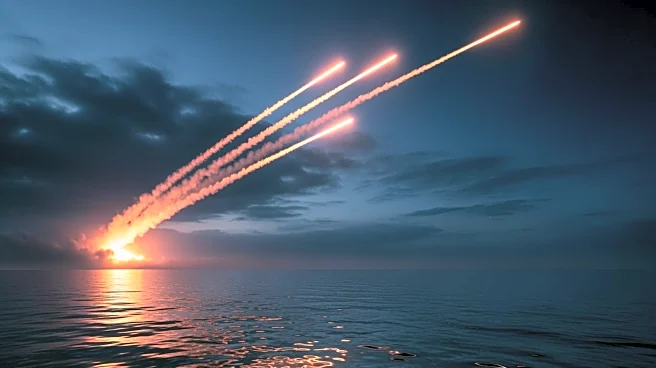
NATO defense systems successfully intercepted a third Iranian missile heading towards Turkey, marking the third such incident in just over a week. The missile was shot down by NATO forces in the eastern Mediterranean, although it remains unclear whether
the missile was directly targeting Turkey or intended to pass through Turkish airspace to another destination. This interception follows two previous incidents on March 4 and earlier in the week, with no casualties reported. The situation has escalated following U.S.-Israeli strikes on Iran, prompting Iran to warn European countries against supporting the U.S. and Israel. Turkey, which has the second-largest army in NATO, finds itself in a complex position due to its geographical proximity and diplomatic relations with Iran.
Why It's Important?
The interception of Iranian missiles by NATO highlights the growing tensions in the Middle East and the potential for broader conflict involving NATO allies. Turkey's strategic position and its role as a NATO member make it a critical player in the region. The ongoing missile threats could strain Turkey's diplomatic relations with Iran, a country it considers a 'brotherly' nation. Additionally, the situation underscores the importance of NATO's defense capabilities and its commitment to protecting member states. The incidents could also influence European countries' foreign policies regarding Iran and their support for U.S. and Israeli actions in the region.
What's Next?
Turkey is likely to continue diplomatic consultations with Iran to address the missile threats and clarify the intentions behind the missile launches. Turkish President Recep Tayyip Erdoğan has already engaged in discussions with Iranian President Masoud Pezeshkian, emphasizing the need to avoid actions that could escalate tensions further. NATO and its member states may also increase their military readiness and surveillance in the region to prevent future threats. The situation could lead to further diplomatic efforts to de-escalate tensions and prevent a broader conflict.
Beyond the Headlines
The repeated missile interceptions raise questions about Iran's military strategy and its potential objectives in targeting or passing through Turkish airspace. The incidents also highlight the delicate balance Turkey must maintain between its NATO obligations and its regional relationships. The situation could have long-term implications for regional security dynamics and the future of NATO's involvement in Middle Eastern conflicts.