





What's Happening?
The Shapiro Administration has successfully advanced three significant energy projects in Pennsylvania through PJM's first Expedited Interconnection Track (EIT). These projects, representing 68% of the total proposed capacity selected across the PJM region,
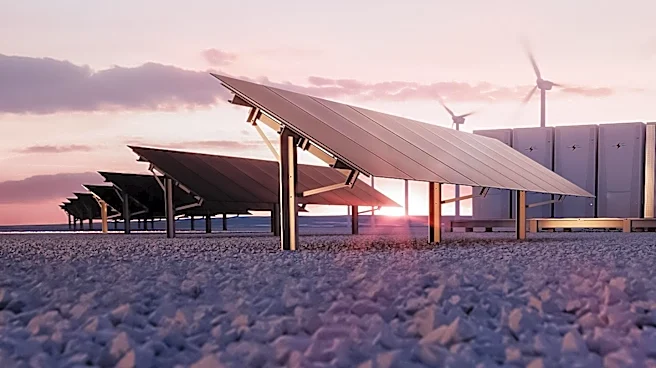
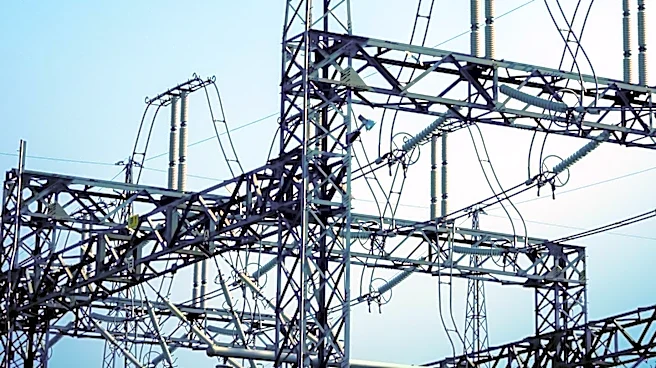
are expected to add a combined 1.7 gigawatts (GW) of energy generation and storage capacity by mid-2029, sufficient to power nearly 900,000 homes. Two of these projects are battery storage facilities, contributing 1.36 GW of clean energy storage, while the third involves an expansion of an existing natural gas power plant. Governor Shapiro has consistently advocated for faster grid connections, enhanced reliability, and consumer protection against rising electricity costs. The Pennsylvania Department of Environmental Protection (DEP) and Department of Community and Economic Development (DCED) have supported these projects through the expedited review and permitting processes. This initiative is part of a broader effort to accelerate energy generation and storage projects to meet increasing demand and stabilize energy costs for Pennsylvanians.
Why It's Important?
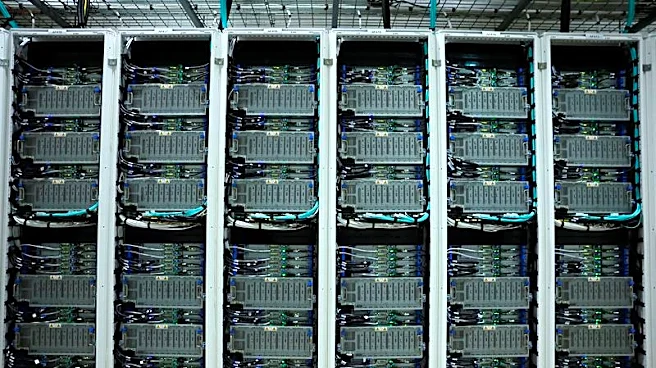
This development is crucial for Pennsylvania's energy landscape and its residents. By expediting these projects, the Shapiro Administration aims to address the growing electricity demand, including that from data centers, and prevent associated cost increases and reliability threats. The addition of 1.7 GW of capacity, particularly from battery storage facilities, will bolster grid reliability and increase energy supply, which is expected to exert downward pressure on electricity costs. This aligns with Governor Shapiro's 'all-of-the-above' energy strategy, which seeks to leverage various energy sources to power homes and businesses. The success of these projects also reinforces Pennsylvania's position as a leading energy producer and exporter within the PJM region, attracting further economic development. The initiative also highlights a proactive approach to energy infrastructure development, aiming to streamline processes and reduce bureaucratic hurdles that often delay critical projects.
What's Next?
The three selected projects are slated to become operational by mid-2029. PJM's EIT program is designed to support up to 10 eligible projects annually in 2026 and 2027, with a review timeline of approximately 12 months, significantly reducing the typical duration. Project developers interested in the 2027 EIT window are encouraged to submit proposals through a Request for Information from DEP. Governor Shapiro's administration will continue to work with these projects to ensure they obtain necessary permits efficiently. Furthermore, the Governor has signed Executive Order 2026-05, establishing Responsible Infrastructure Development (GRID) Requirements for data center developers, mandating that they cover the full cost of new generation, transmission, and distribution infrastructure. He has also intervened in a Pennsylvania Public Utility Commission proceeding to ensure large data centers pay their fair share of electricity costs, protecting existing customers from potential reliability risks and cost shifts.
Beyond the Headlines
The expedited approval of these energy projects reflects a broader strategic shift towards enhancing energy independence and resilience in the face of increasing demand and climate concerns. The emphasis on battery storage facilities underscores a commitment to cleaner energy sources and innovative technologies, which can help reduce pollution and strengthen grid reliability, especially during peak demand. The administration's efforts to cut 'red tape' and streamline permitting processes could serve as a model for other states grappling with similar energy infrastructure challenges. Moreover, the proactive measures to ensure data centers bear their infrastructure costs and do not burden existing ratepayers highlight a focus on equitable energy policy and consumer protection. This approach could mitigate potential negative impacts of rapid technological growth on public utilities and household budgets, fostering a more sustainable and fair energy ecosystem.