




What's Happening?
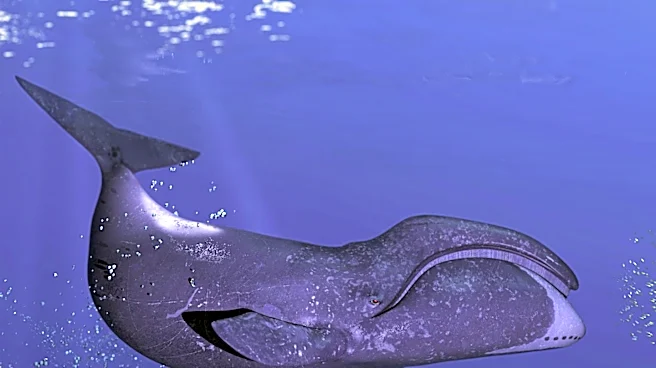
U.S. Rep. Jared Golden, D-Maine, is spearheading an initiative to prolong the regulatory pause on new North Atlantic right whale protections impacting the lobster and Jonah crab fisheries until 2035. This effort is being advanced through H.R. 9436, the Northeast
Lobsterman Protection Act, a bipartisan bill co-led with Rep. Mike Lawler, R-New York. The proposed extension aims to provide additional time for ongoing research and federal rulemaking processes. Golden contends that the current rulemaking schedule has been delayed by factors external to Maine fishermen, including staffing reductions at NOAA and other federal operational disruptions. The legislation seeks to offer a temporary reprieve from new regulations, which have been a significant concern for the fishing industry. Industry groups, such as the Maine Lobstermen's Association, have voiced their support for this extension, emphasizing the need to balance conservation efforts with the economic viability of commercial fishing livelihoods.
Why It's Important?
This legislative effort is crucial for the U.S. lobster and Jonah crab industries, particularly in the Northeast, as it directly addresses the economic pressures faced by fishermen due to evolving environmental regulations. The proposed extension until 2035 would provide a decade-long window for the industry to adapt to potential future rules, conduct further research on whale protection methods, and ensure the long-term sustainability of their livelihoods. Without such an extension, fishermen could face immediate and significant financial burdens from new gear requirements, such as 'ropeless' fishing technology, which is not yet fully developed or widely accessible. The debate highlights the ongoing tension between environmental conservation and economic interests, with the outcome potentially setting a precedent for how federal agencies balance these competing priorities. The stability offered by a regulatory pause could prevent job losses and preserve the cultural identity of coastal communities heavily reliant on these fisheries.
What's Next?
The Northeast Lobsterman Protection Act (H.R. 9436) will proceed through the legislative process in the U.S. Congress. Key next steps include committee hearings, potential amendments, and votes in both the House of Representatives and the Senate. The bill's success will depend on bipartisan support and the ability to garner sufficient votes. Stakeholders, including environmental groups, fishing industry associations, and federal agencies like NOAA, are expected to engage in lobbying efforts to influence the outcome. If passed, the legislation would mandate a regulatory pause, impacting the timeline for implementing new North Atlantic right whale protection measures. If it fails, the existing regulatory schedule would likely proceed, potentially leading to the imposition of new rules and increased costs for lobster and Jonah crab fishermen in the near future. The ongoing research into whale protection technologies and their feasibility will also play a critical role in future policy decisions.
Beyond the Headlines
The push to extend the regulatory pause on North Atlantic right whale protections delves into deeper issues concerning the intersection of environmental policy, economic sustainability, and community identity in coastal regions. Beyond the immediate financial impact on fishermen, the debate touches upon the scientific uncertainties surrounding whale entanglement causes and the effectiveness of proposed mitigation strategies. The reliance on 'breakaway' ropes and the potential future of 'ropeless' gear underscore the technological challenges in balancing conservation with traditional fishing practices. Furthermore, the discussion highlights the broader vulnerability of the fishing industry to external factors, including climate change, which is altering marine ecosystems, and the increasing pressure from other marine uses like offshore wind development. The outcome of this legislative effort could influence how federal agencies approach environmental regulations in other industries, potentially shaping future policies that seek to reconcile ecological preservation with the economic and cultural heritage of affected communities.