





What's Happening?
A proposal to move Minot's municipal court into the Ward County Courthouse has encountered significant resistance from district court representatives, primarily due to concerns over space and technological compatibility. The City of Minot has been exploring
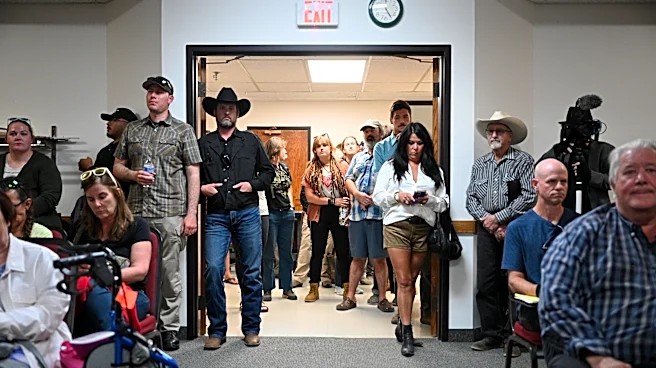
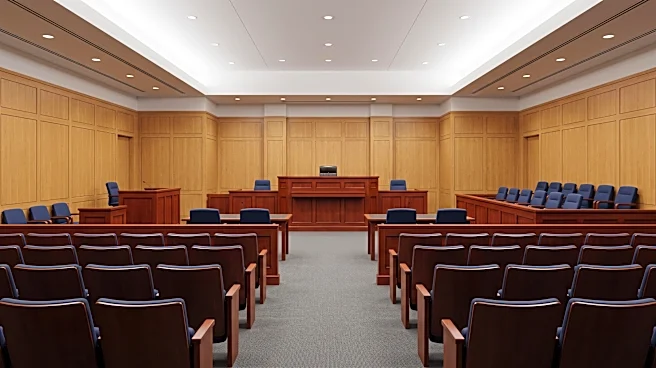
alternative locations for its municipal court since at least 2022, citing security and safety issues at its current Minot Municipal Auditorium site. Co-locating with the Ward County Courthouse emerged as a preferred option, leading to renewed discussions between city and county officials. A draft lease was presented at a joint meeting on October 5, outlining plans for municipal court offices, shared use of the Administration Building's break room and chapel, and shared access to Courtroom 100. While city council members and Ward County Commissioner Jim Rostad expressed support for the plan, district court judges, including Judge Stacy Louser and Judge Steven Lautt, voiced strong opposition. Their primary objections revolve around the logistical challenges of scheduling and the incompatibility of district court's built-in technology with municipal court's equipment, making joint courtroom use unfeasible from their perspective. The state court administrator has also deemed co-location not feasible.
Why It's Important?
This development highlights the ongoing challenges faced by local governments in optimizing public services and infrastructure, particularly when multiple entities must share resources. The inability to easily relocate the municipal court due to existing infrastructure and technological constraints could lead to continued operational inefficiencies and potential security risks at its current location. For the citizens of Minot, the delay in finding a suitable court facility could impact access to justice and the overall efficiency of the judicial process. The dispute also underscores the complexities of inter-governmental cooperation, where differing operational needs and existing commitments can create significant hurdles for seemingly beneficial proposals. The financial implications of either renovating the current facility, building a new one, or finding an alternative co-location solution will ultimately affect local taxpayers. Furthermore, the emphasis on security and safety concerns at the current municipal court location suggests a pressing need for resolution to ensure the well-being of court staff and the public.
What's Next?
The Minot City Council has voted 6-1 to approve the draft lease, with the understanding that it may be amended based on future decisions at the county level. Ward County Commissioner Miranda Schuler suggested continuing conversations to address the district court's concerns before bringing the matter to the county commission on October 20 for a public hearing. Commission Chairman John Fjeldahl indicated that the committee should continue its work more formally to address the issues raised. District court representatives, including Court Administrator Carolyn Probst, welcomed the opportunity for a public hearing and committed to further research to provide more answers. While Commissioner Rostad believes the benefits of co-location are too significant to abandon, the strong opposition from district court judges, citing logistical and technological incompatibilities, suggests that a resolution will require substantial negotiation and potentially a revised approach to the proposed shared use of facilities. A final contract will require another vote from the city council.
Beyond the Headlines
The recurring nature of this issue, with previous attempts at co-location also stalling, points to a deeper systemic challenge in planning and resource allocation for public services. The reliance on outdated or incompatible technology within different judicial branches can create significant barriers to modernization and efficiency. This situation could prompt a broader re-evaluation of how judicial facilities are designed and managed to accommodate evolving needs and technological advancements. It also raises questions about the long-term vision for public infrastructure in Minot and Ward County, and whether a more integrated approach to facility planning is needed. The public's perception of governmental efficiency and collaboration may also be influenced by the outcome of these discussions. Ultimately, the resolution of this issue could set a precedent for how similar inter-agency resource-sharing challenges are addressed in other U.S. municipalities.