





What's Happening?
A study conducted by researchers at the Medical Research Council Toxicology Unit at the University of Cambridge, published in Molecular Systems Biology, investigated the effects of 39 commercially used sweeteners on 25 strains of gut bacteria. The study,
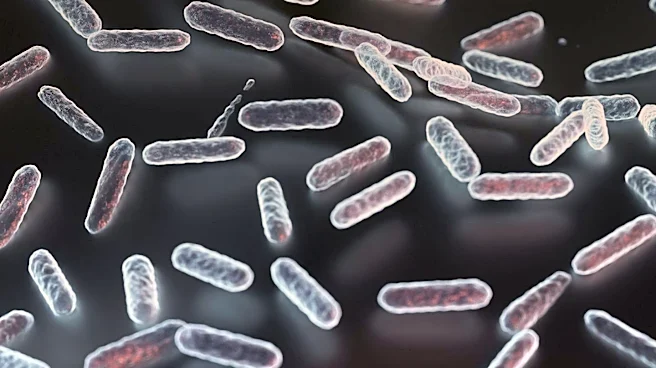
a lab-only screen, found that approximately 75% of the tested sweeteners altered the growth of at least one bacterial strain. A significant finding was that the antidepressant duloxetine (sold as Cymbalta), when combined with isosteviol (a stevia-derived compound), strongly suppressed the growth of key gut bacteria, particularly Roseburia intestinalis and Parabacteroides merdae, and reduced overall bacterial diversity. This effect was more pronounced than either compound alone. The study also noted a more than 25% drop in butyrate production by Roseburia intestinalis under this combination.
Why It's Important?
This research is important because it highlights the complex interactions between common dietary components, medications, and the human gut microbiome. Millions of Americans regularly consume low-calorie sweeteners and take antidepressants, creating a significant overlap in exposure. The study suggests that these co-consumed substances may have synergistic effects on gut bacteria, potentially impacting gut health and, indirectly, overall well-being. While the study was conducted in a lab setting and not on humans, it provides a crucial starting point for understanding potential health implications that are not typically assessed in standard safety testing for sweeteners. The findings underscore the need for more comprehensive research into how combinations of food additives and pharmaceuticals affect the human body.
What's Next?
The Cambridge study is a preliminary screening, and its findings do not warrant immediate changes to medication regimens or dietary habits. Researchers emphasize the need for further studies, particularly human trials, to confirm these lab-based observations and understand their real-world health implications. Future research should focus on measuring actual doses of sweeteners and drugs reaching the colon, testing a wider range of antidepressants, and conducting human stool and symptom studies to track changes in gut bacteria, butyrate levels, digestion, and mood. Until then, medical professionals advise patients to continue taking prescribed medications, use sweeteners in moderation, and prioritize gut-supportive habits like consuming fiber and fermented foods.
Beyond the Headlines
Beyond the immediate implications for sweetener and antidepressant use, this study sheds light on the broader challenge of assessing the safety of substances in a complex biological system. Current regulatory frameworks for food additives and pharmaceuticals often evaluate compounds in isolation, overlooking potential synergistic effects when multiple substances are co-consumed. This research calls for a re-evaluation of safety testing protocols to account for these intricate interactions. It also reinforces the growing understanding of the gut-brain axis, suggesting that alterations in gut microbiota due to dietary and medicinal factors could have far-reaching effects on mental health and other physiological processes, necessitating a more holistic approach to health and wellness.