




What's Happening?
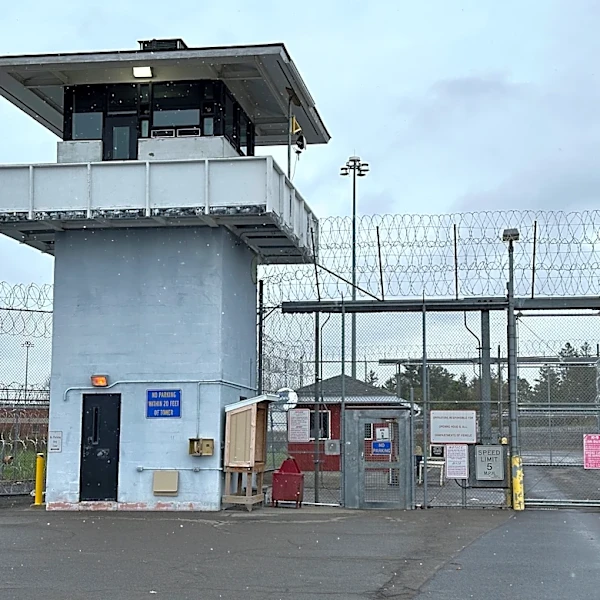
The parents of Chandra Levy, a former Federal Bureau of Prisons intern who disappeared 25 years ago, have proposed a theory linking her death to UFOs. Susan and Robert Levy believe their daughter may have been killed because she knew too much about UFOs,
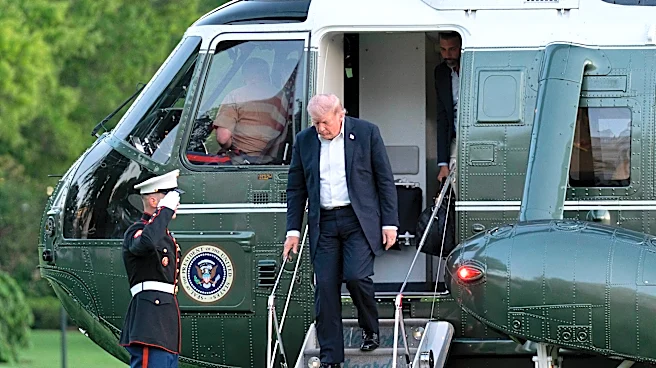
a theory they shared on the anniversary of her disappearance. Chandra Levy was involved in an affair with then-Rep. Gary Condit, who was part of the House Intelligence Committee. Her remains were found over a year after her disappearance, and her death was ruled a homicide. Although a suspect, Ingmar Guandique, was convicted in 2010, his conviction was overturned in 2015 due to false testimony, and he was deported in 2017. The Levys have been cautioned against discussing the UFO theory further.
Why It's Important?
The Levys' theory adds a new dimension to the ongoing mystery surrounding Chandra Levy's death, highlighting the complexities and unresolved questions in high-profile cases. The suggestion of a UFO connection taps into broader public interest in government transparency and extraterrestrial phenomena. This development may influence public opinion and pressure authorities to revisit the case or similar unsolved mysteries. The involvement of a former congressman and the mention of intelligence committees could prompt discussions about the extent of government knowledge and secrecy regarding UFOs.
What's Next?
The Levys' statements may lead to renewed interest in Chandra Levy's case, potentially prompting further investigations or public discourse on the matter. The White House's recent order to investigate mysterious deaths and disappearances of scientists could intersect with this case, possibly leading to new revelations or policy changes. Stakeholders such as government agencies, UFO researchers, and advocacy groups may react by calling for more transparency and accountability in handling such cases.
Beyond the Headlines
The Levys' theory raises ethical questions about the handling of sensitive information and the potential consequences for individuals who may inadvertently become involved in government secrets. It also touches on cultural dimensions, as UFOs and government secrecy have long been subjects of fascination and skepticism in American society. This case could contribute to ongoing debates about the balance between national security and public knowledge.