





What's Happening?
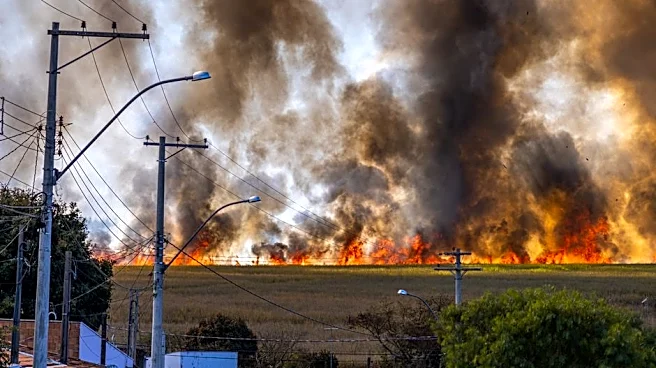
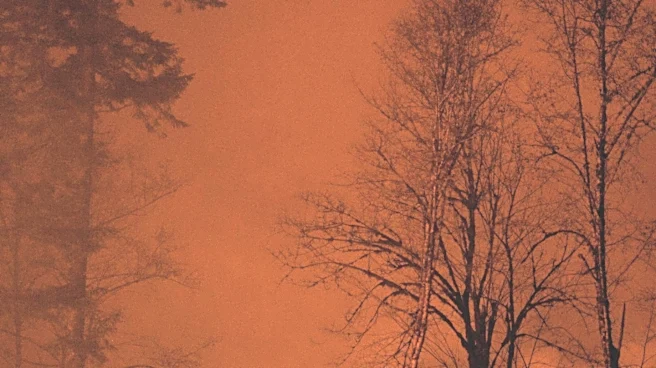
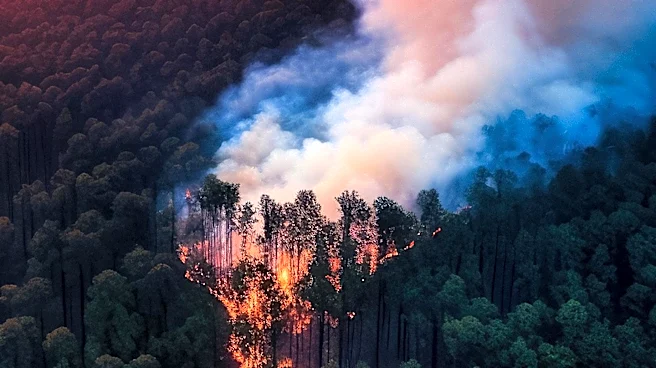
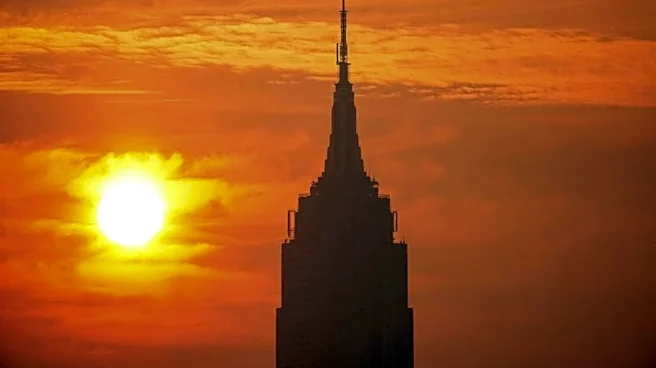
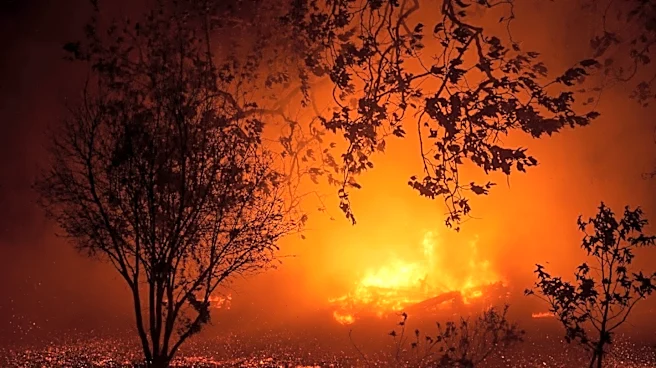
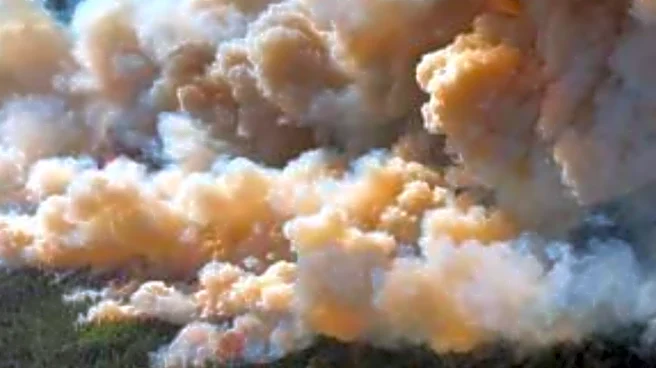
Smoke from Canadian wildfires has spread across the Midwest, Northeast, and mid-Atlantic regions of the United States, affecting over 100 million people. The smoke has led to poor air quality, prompting air quality alerts in more than a dozen states.
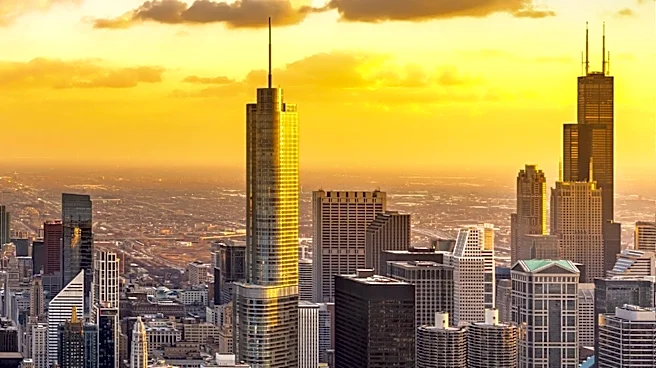
Events such as parades, concerts, and marathons have been canceled, and businesses like amusement parks have closed due to the hazardous conditions. Cities like Milwaukee, Chicago, and Detroit have reported some of the worst air quality levels, with officials advising residents to stay indoors and wear masks if they must go outside.
Why It's Important?
The widespread impact of the wildfire smoke highlights the interconnectedness of environmental issues across borders. The poor air quality poses significant health risks, particularly for vulnerable populations such as those with pre-existing respiratory conditions. The economic impact is also notable, as businesses reliant on outdoor activities face closures and cancellations. This situation underscores the need for coordinated environmental policies and emergency response strategies to address cross-border environmental challenges.
What's Next?
A storm system is expected to arrive, potentially clearing the air in affected regions by Saturday afternoon. However, there is concern about the air quality for upcoming events, such as the World Cup final in New York City. Officials continue to monitor the situation and provide guidance to residents on how to protect themselves from the smoke. The ongoing situation may prompt further discussions on environmental policies and cross-border cooperation to mitigate the effects of such natural disasters in the future.