



What's Happening?
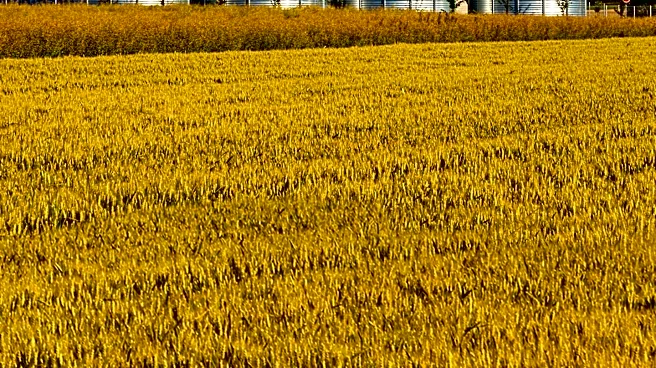
Cal Poly is evaluating a proposal to convert approximately 50 acres of prime farmland on its campus into a mixed-use development. This development could include a hotel, senior housing, and an events center. The land in question is currently used for
orchards and crop fields and is classified as "class one soil" by the U.S. Department of Agriculture, indicating the highest quality agricultural land. Cal Poly agriculture students, such as Carson Sanzone, have voiced strong opposition, arguing that this land is invaluable for education and cannot be easily replaced. While a university official stated that protecting and strengthening the educational experience of agriculture students is a guiding principle and that there would be no net loss of agricultural land for student learning, critics are concerned that any replacement land would be less convenient and of lower quality.
Why It's Important?
This proposal at Cal Poly raises significant questions about land use, agricultural education, and the balance between development and preservation of natural resources. The potential loss of "class one soil," as designated by the U.S. Department of Agriculture, is particularly critical given its scarcity and importance for productive agriculture. For Cal Poly, a university known for its 'Learn By Doing' philosophy, developing prime farmland could undermine its core educational mission, depriving agriculture students of hands-on learning opportunities. The controversy highlights the tension between the need for campus expansion, such as housing and facilities, and the long-term value of preserving high-quality agricultural land for both educational and food production purposes. This decision could set a precedent for how universities and other institutions manage valuable land assets.
What's Next?
Cal Poly officials have stated that no final decisions have been made regarding the development proposal, and additional discussions are planned for the coming weeks and months. A decision is not expected until sometime in the fall. Student opposition is growing, with a petition against the proposal gaining over 1,000 signatures. Critics, including Cal Poly Plant Science student Arielle Tarr, are concerned about the accessibility and quality of any potential replacement farmland. The university maintains that any proposal moving forward would ensure no net loss of agricultural land for student learning, but the specifics of this assurance remain a point of contention. The ongoing dialogue will likely involve various stakeholders, including students, faculty, and community members, as the university weighs its development needs against its agricultural heritage and educational commitments.
Beyond the Headlines
The Cal Poly farmland development debate extends beyond a single campus decision, touching upon broader societal issues concerning urban sprawl, food security, and the future of agricultural education. The conversion of prime agricultural land, especially "class one soil," for commercial or residential development is a trend seen across the U.S., often leading to irreversible loss of productive capacity. This situation at Cal Poly could ignite a larger conversation about the role of educational institutions in land stewardship and their responsibility to preserve resources vital for future generations. It also underscores the ethical implications of prioritizing short-term financial gains or development needs over the long-term ecological and educational value of unique land assets. The outcome could influence how other universities approach campus expansion and resource management, particularly those with strong agricultural programs.