



What's Happening?
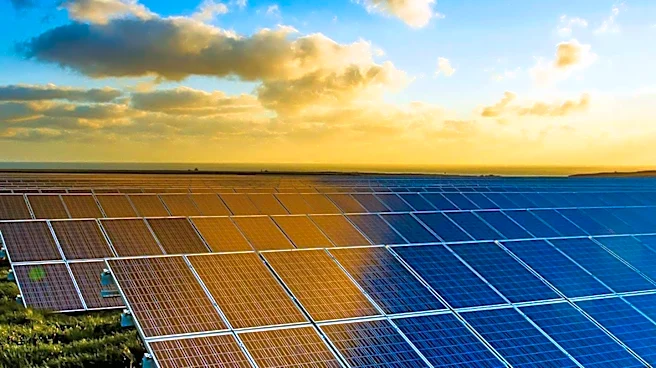
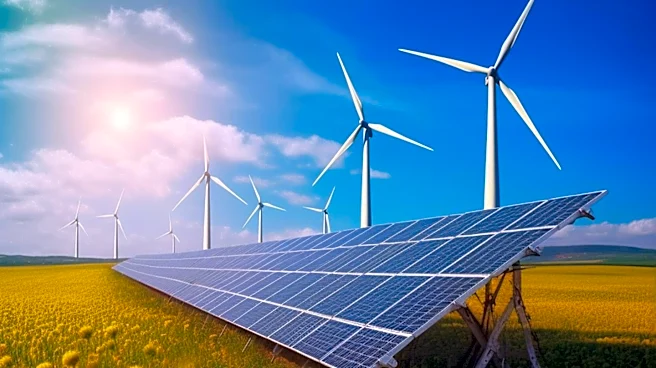
Indigenous organizations and tribal nations across the United States are pioneering innovative energy solutions, focusing on renewable energy projects that respect cultural values and drive community prosperity. These groups are not waiting for federal
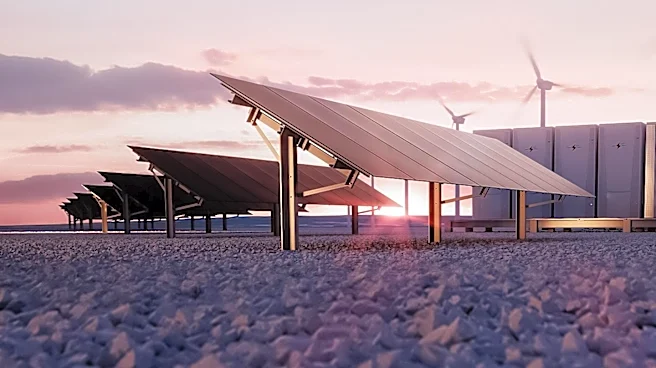
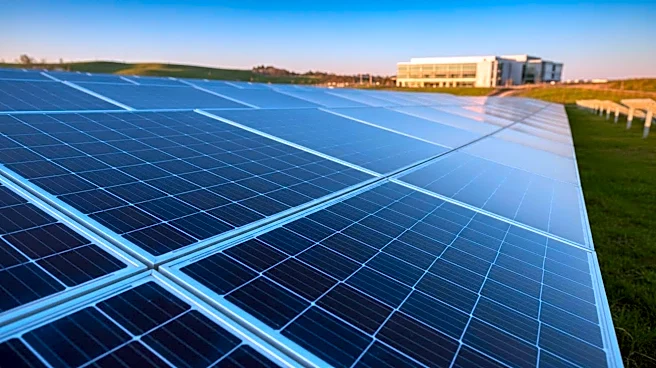
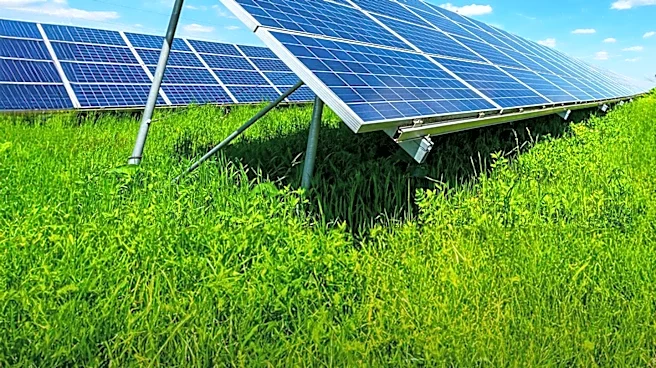
clean energy policy clarity but are instead developing their own energy futures. Initiatives such as the Electric Innovation Initiative (EII) support these efforts by advancing electrification across the U.S. through 2035. Projects led by Indigenous communities are setting examples with scalable models addressing energy challenges like grid resilience and energy affordability. Organizations like Navajo Power and the Navajo Tribal Utility Authority (NTUA) are collaborating with investors and developers to create renewable energy and energy storage projects, simplifying the process of building utility-scale projects on tribal lands. These efforts are complemented by educational initiatives from groups like Red Cloud Renewables, which train Native American communities in solar installation and sustainable building practices.
Why It's Important?
The initiatives led by Indigenous organizations and tribal nations are crucial as they address the energy needs of communities often overlooked by traditional energy policies. By focusing on renewable energy, these groups are not only promoting sustainability but also enhancing energy independence and economic growth within their communities. The projects provide employment opportunities, improve living standards, and reduce energy costs, directly benefiting Native American populations. Moreover, these efforts contribute to the broader national goal of energy independence and sustainability, as tribal lands hold significant renewable energy resource potential. The success of these projects could serve as a model for other regions, demonstrating the viability of community-led energy solutions.
What's Next?
As these Indigenous-led projects continue to develop, they are likely to attract more attention and investment from both public and private sectors. The Biden-Harris Administration has already provided historic funding for tribal communities, ensuring that they retain agency in deploying clean, stable, and affordable power. Future developments may include expanded partnerships with government and industry leaders to further scale these projects. Additionally, as the demand for renewable energy grows, these initiatives could play a pivotal role in shaping national energy policies and strategies, potentially influencing how energy infrastructure is developed across the country.
Beyond the Headlines
The work of Indigenous organizations and tribal nations in renewable energy highlights the importance of cultural values and community sovereignty in energy development. These projects not only provide practical benefits but also reinforce the cultural heritage and autonomy of Native American communities. By integrating traditional knowledge with modern technology, these initiatives offer a unique approach to sustainability that respects and preserves cultural identities. This approach could inspire similar efforts in other marginalized communities, promoting a more inclusive and equitable energy transition.