






What's Happening?
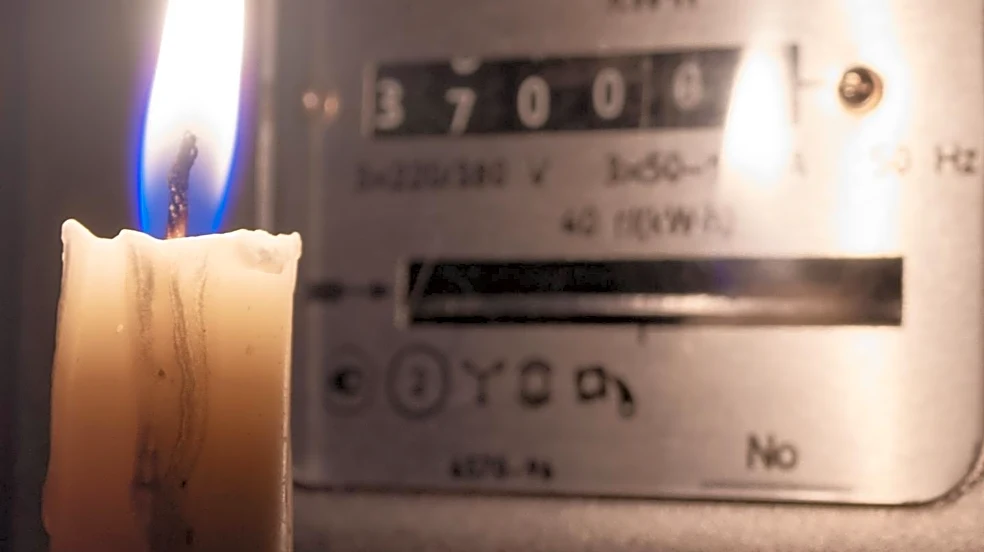
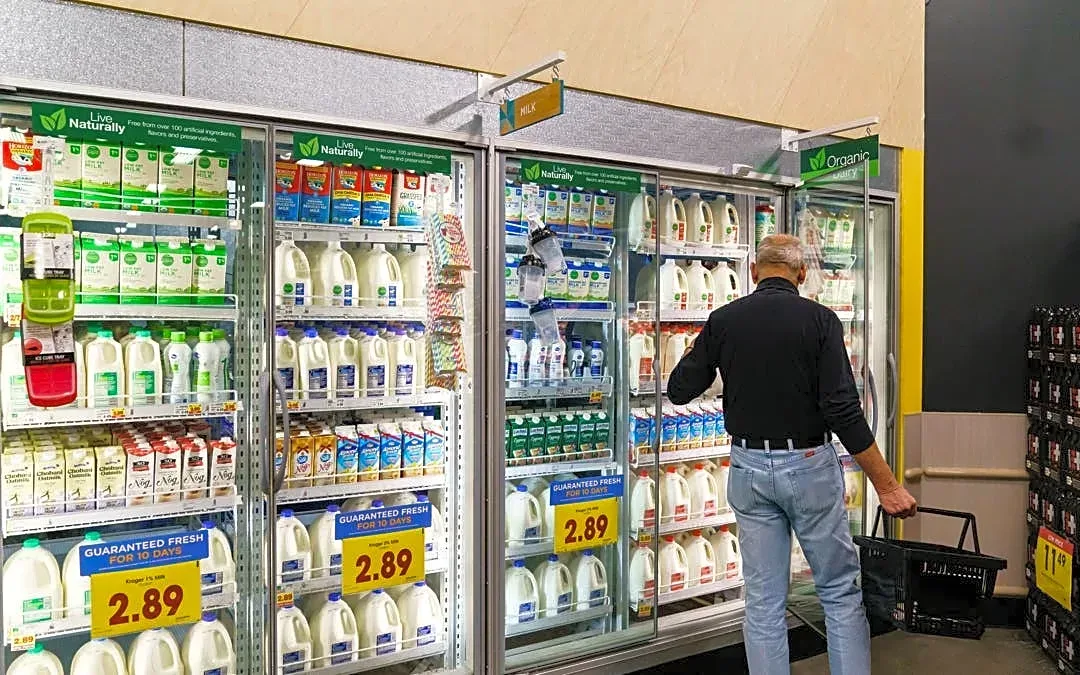
A new survey by Consumer Reports indicates that approximately one in five Americans are reducing grocery spending to afford their electricity bills. The national survey, which included over 2,000 adults, found that about 80% of individuals who have resided
in the same home for at least three years reported an increase in their electricity costs. A significant portion, 28%, experienced bill surges between 20% and 49% during this period. Federal data corroborates these findings, showing a 14% jump in electricity prices across major U.S. cities over the last three years. In response to these rising utility costs, many consumers are also adjusting their heating or air conditioning to uncomfortable levels to manage energy expenses. The survey highlights a broader affordability crisis, with Americans also facing increased gasoline and diesel prices.
Why It's Important?
The findings from Consumer Reports underscore a growing financial strain on American households, impacting their ability to afford basic necessities like food. This trend suggests a potential decline in living standards for many families, particularly vulnerable populations such as students and retirees on fixed incomes, who have limited flexibility in their budgets. The necessity to prioritize utility payments over other essential spending can lead to food insecurity and reduced quality of life. Furthermore, the survey reveals a significant level of distrust among Americans towards utility companies, whom they believe are prioritizing profits, and state utility regulators, who are perceived as failing to protect consumer interests. This erosion of trust in both private and public entities could have broader implications for consumer advocacy and regulatory oversight in the energy sector.
What's Next?
Consumer Reports is launching a new initiative called Power Smarter, which includes a service named CR Bill Decoder. This program aims to help households reduce their energy costs by allowing consumers to submit their electricity bills for analysis. Consumer Reports will anonymize and aggregate this data to identify trends and map prices across the U.S. This information will then be used to advocate for American consumers and promote affordable energy costs. Additionally, the ongoing rise in electricity demand, projected to increase by 16% by 2029 largely due to the proliferation of data centers, suggests that utility costs may continue to climb. This will likely intensify the financial pressure on households and could prompt further calls for regulatory intervention and consumer protection measures.
Beyond the Headlines
The increasing burden of electricity costs extends beyond immediate financial hardship, touching upon broader societal and political implications. The survey indicates that energy costs are a significant concern for voters ahead of upcoming midterm elections, alongside food prices and gas prices. This suggests that utility affordability could become a more prominent issue in political discourse, potentially influencing policy decisions related to energy regulation, infrastructure investment, and consumer subsidies. The blame placed on utility companies for profit maximization and the rapid expansion of data centers also highlights a growing public awareness and concern about the drivers of energy costs. This could lead to increased scrutiny of corporate practices in the energy sector and demands for more transparent pricing models and greater accountability from utility providers.