





What's Happening?
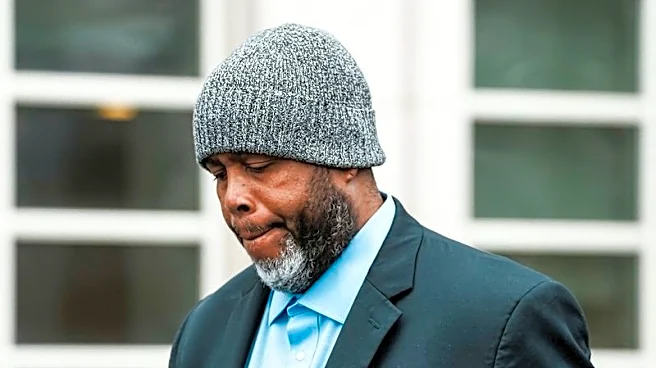
A father and daughter from New Jersey, Erwin Bankowski and Karoline Bankowska, have pleaded guilty to orchestrating a counterfeit art scheme that defrauded buyers of at least $2 million. The duo admitted to wire fraud conspiracy and misrepresenting Native
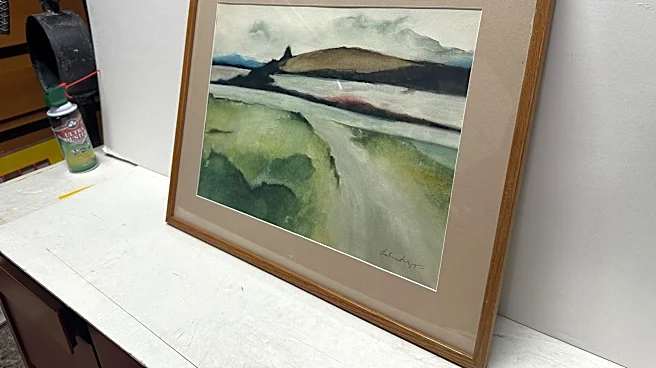
American-produced goods in a federal court in Brooklyn. Their operation involved selling over 200 counterfeit artworks, including imitations of pieces by Andy Warhol, Banksy, and other renowned artists, between 2020 and 2025. To enhance the credibility of these forgeries, they fabricated ownership histories and forged gallery stamps and certificates of authenticity. The counterfeit works were sold to galleries and auction houses across the U.S., making it challenging for buyers to verify their provenance.
Why It's Important?
This case highlights significant issues within the art market, particularly concerning the verification of artwork authenticity. The fraudulent activities not only resulted in financial losses for buyers but also undermined the integrity of the art market. Additionally, the scheme involved the misrepresentation of Native American art, violating the Indian Arts and Crafts Act of 1990. This act protects the cultural heritage and economic interests of Native American artists. The case underscores the need for stricter regulations and verification processes in the art industry to prevent similar fraudulent activities and protect both consumers and genuine artists.
What's Next?
Erwin Bankowski and Karoline Bankowska face a maximum sentence of 20 years in prison and are due to be sentenced on August 5. As Polish citizens, they also face deportation after serving their sentences. The case may prompt increased scrutiny and regulatory measures within the art market to prevent future fraud. It also highlights the role of agencies like the U.S. Fish and Wildlife Service in investigating and prosecuting art fraud, particularly cases involving the misrepresentation of Native American art.
Beyond the Headlines
The case raises broader ethical and cultural concerns about the exploitation of Native American art and the impact of forgeries on cultural heritage. It also reflects ongoing challenges in the art market related to provenance verification and the potential for technological solutions to enhance transparency and authenticity. The involvement of international actors in art fraud schemes further complicates enforcement and highlights the need for international cooperation in addressing art crime.