

What's Happening?
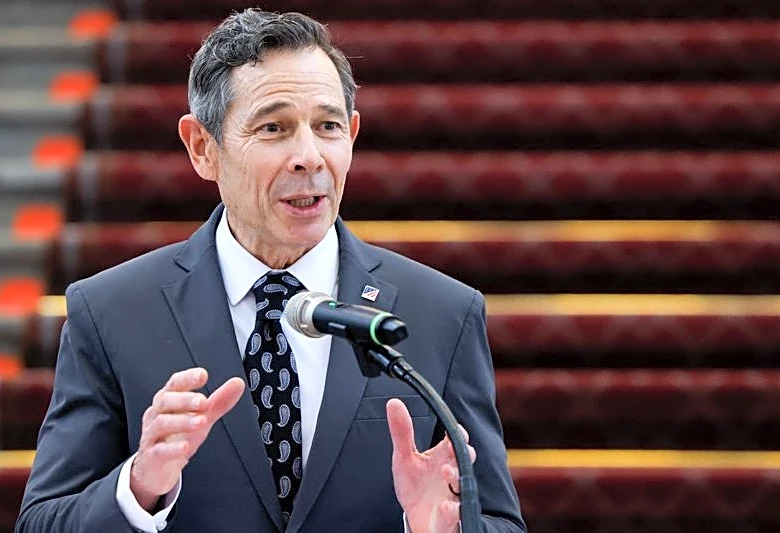
Representative Melanie Stansbury (D-NM) stated that if Democrats secure a majority in the upcoming midterm elections, they intend to investigate and potentially impeach cabinet secretaries from President Trump's administration. Speaking on MS NOW’s “On
the Line,” Stansbury addressed the strategic discussion around pursuing impeachment proceedings against cabinet members rather than President Trump directly. She referenced Representative Massie's (R-KY) perspective that impeaching cabinet members is 'highly underrated,' especially given President Trump's past statements about pardoning individuals in his circle. Stansbury specifically mentioned Pete Hegseth as a cabinet secretary whom she believes has 'blatantly broken the law' and engaged in 'unconstitutional things,' echoing sentiments from some Republicans who also believe Hegseth should be impeached. She highlighted instances where previous congressional impeachment filings led to cabinet members like Kristi Noem and Pam Bondi being dismissed by the president, suggesting public pressure can be effective.
Why It's Important?
This declaration by Representative Stansbury signals a potentially aggressive oversight agenda from Democrats should they gain control of Congress. The focus on cabinet secretaries rather than President Trump himself could represent a shift in political strategy, aiming to hold specific individuals accountable for alleged legal and constitutional breaches. This approach might be seen as a way to circumvent the political complexities and public fatigue associated with presidential impeachment efforts, while still pursuing accountability within the executive branch. The mention of specific individuals like Pete Hegseth, Kristi Noem, and Pam Bondi underscores the partisan divisions and the high stakes involved in post-election political maneuvering. Such investigations and potential impeachments could lead to significant political battles, consume considerable legislative time, and further polarize the political landscape, impacting the ability of the government to address other pressing national issues. It also raises questions about the balance of power between the legislative and executive branches.
What's Next?
The immediate next step hinges on the outcome of the midterm elections. If Democrats achieve a majority, it is highly probable that congressional committees will initiate investigations into the conduct of various cabinet secretaries from President Trump's administration. These investigations could involve subpoenas for documents and testimony, public hearings, and potentially lead to articles of impeachment being drafted and voted upon in the House of Representatives. The specific targets of these actions would likely be cabinet members accused of 'blatantly breaking the law' or engaging in 'unconstitutional things,' as suggested by Representative Stansbury. The executive branch, under President Trump, would likely resist such efforts, potentially leading to legal challenges and further political confrontations. The process could also influence public opinion and shape the narrative leading into future presidential elections, as both parties would likely use the proceedings to rally their bases and criticize their opponents.
Beyond the Headlines
The potential for widespread investigations and impeachments of cabinet secretaries extends beyond immediate political skirmishes, touching upon fundamental aspects of governance and accountability. This strategy could redefine the scope of congressional oversight, establishing a precedent for how future administrations and their appointees are held to account. It also highlights the ongoing tension between the executive and legislative branches, particularly when different parties control them. Ethically, the pursuit of such actions raises questions about due process and the potential for political weaponization of impeachment powers. Legally, any impeachment proceedings would test the boundaries of executive privilege and the powers of Congress. Culturally, these events could further erode public trust in government institutions if perceived as purely partisan, or conversely, reinforce the idea that no one is above the law, depending on public perception and the evidence presented. The long-term impact could be a more assertive Congress in scrutinizing executive actions, or a more entrenched partisan divide.